
Pulo Pandan Guide: Ojatras Island, Pulupandan, and Safe Islet Visits
Plan a safe Pulo Pandan visit with guidance on its official Ojatras Island name, boat landings, facilities, water shoes, and environmental protection.

[ADS]
* Book Now, Pay Reservation Later, Balance on Your Tour Date. Terms and Conditions Apply. Subject to Availability.
Pulo Pandan is a common search variation for the small islet officially identified in Carles Tourism materials as Ojatras Island (Pulupandan). These names should not automatically be treated as separate destinations. For accurate travel planning, Ojatras Island (Pulupandan) is the preferred official label, while Pulo Pandan may be used as a familiar spelling or online search term.
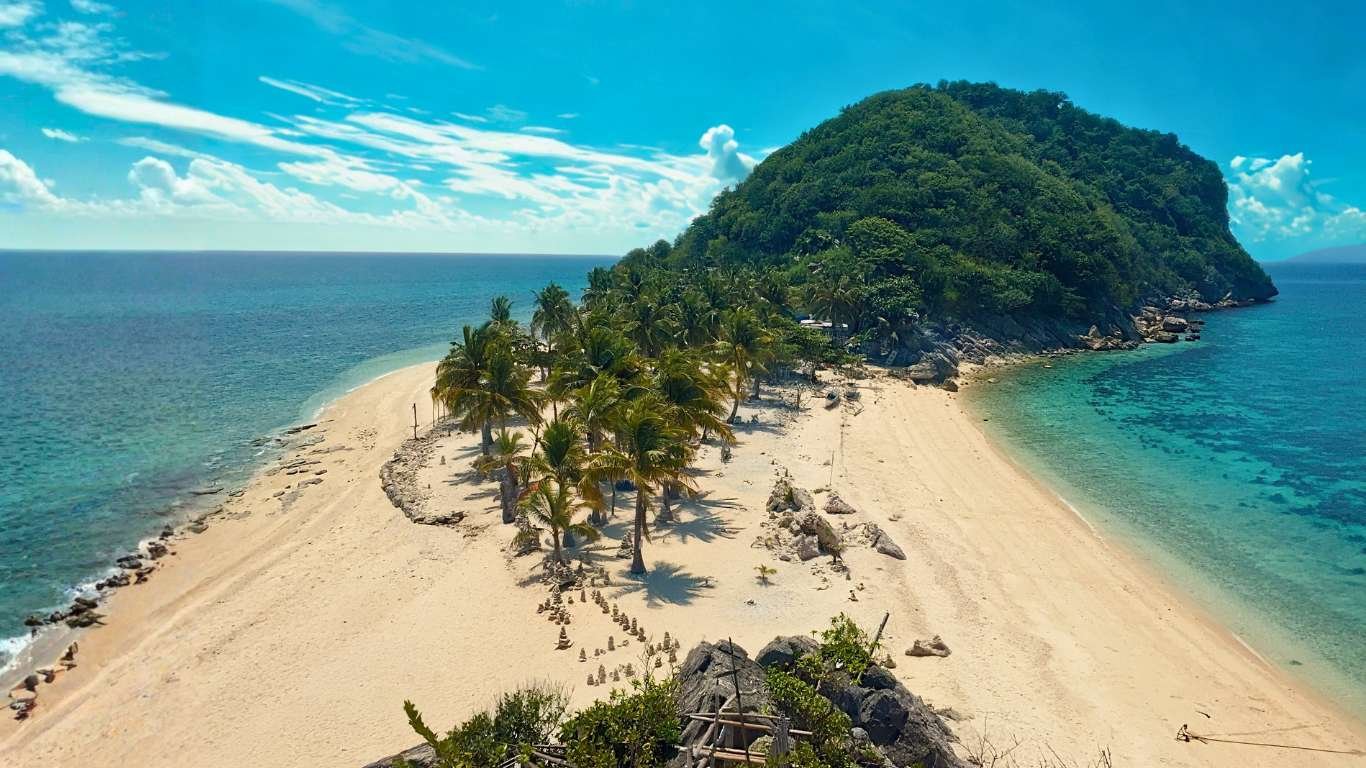
The official tourism display describes the attraction as a small islet with creamy-white sand and turquoise water. Its compact size and open-water setting make it an attractive photography and beach stop, but they also limit the number of visitors who can comfortably remain there at one time.
Travelers should not expect a developed resort environment. Toilets, restaurants, dependable shade, changing rooms, drinking water, secure storage, and reliable mobile signal may be unavailable. Landing, swimming, and the length of the visit depend on wind, waves, tides, boat traffic, crowding, and the captain’s judgment on the day.
Bakwitan Cave Guide: Trail Difficulty, Local Guides, and Cave Safety
(*) Cabugao Gamay Island Guide: Viewpoint, Photos, Swimming, and Safety
Balbagon Island Guide: Alternative Routes, Landings, and Open-Shore Safety
(*) Bantigue Sandbar Guide: Tides, Boat Landings, Photos, and Visitor Safety
Gigantes Sur 360 Viewpoint Guide: Trail Conditions, Views, and Climb Safety
North Gigantes Island Lighthouse Guide: 1895 Heritage Site and Coastal Views
Tangke Saltwater Lagoon Guide: Tides, Karst Scenery, Access, and Safety
Lantangan Beach Guide: Lunch Stops, Community Etiquette, and Facilities
Cabugao Dako Island Guide: Beach Conditions, Landings, and Tour Inclusion
Pahuwayan Landscape Guide: Gigantes Sur Views, Trails, and Visitor Etiquette
Understanding the Official Ojatras Island (Pulupandan) Name
The official Carles Tourism destination list uses the name Ojatras Island (Pulupandan). Online itineraries, social-media posts, and local conversations may also use Pulupandan or Pulo Pandan.
These spelling variations can cause travelers to believe that several different islands are being advertised. Before booking, ask the operator whether the names in the itinerary refer to the same islet and whether the planned experience is a landing, a short viewing stop, or a pass-by.
| Name Used | How Travelers Should Understand It |
|---|---|
| Ojatras Island | The principal official destination name used in the Carles Tourism display |
| Pulupandan | The parenthetical name used with Ojatras Island in official tourism materials |
| Pulo Pandan | A common spelling or search variation that may refer to the same islet |
A package that lists Pulo Pandan should not be assumed to include a different attraction from Ojatras Island unless the provider clearly identifies another location. Request a written stop list using both the familiar and official names when possible.
Travelers can compare this islet with the other official stops through the Gigantes Island attractions guide.
Where Pulo Pandan Fits in a Gigantes Route
Ojatras Island is one of several separate offshore stops around the wider Gigantes destination area. It is not a neighborhood of Gigantes Norte or Gigantes Sur that can be reached on foot from another attraction.
Reaching the islet requires boat travel, and the time needed depends on the preceding and following stops. A route that includes Cabugao Gamay, Cabugao Dako, Bantigue Island and Sandbar, Tangke Lagoon, and Ojatras must allocate time for several separate landings and crossings.
Tour A, Tour B, private trips, and other package names are not standardized official itineraries. One operator may include Ojatras as a regular stop, while another may use it only as an alternative when another destination is crowded or unsafe.
Ask How the Stop Is Classified
- Full landing: Passengers leave the boat and spend a stated period on the islet.
- Brief stop: Visitors land for a short walk, swim, or photograph.
- Alternative stop: The islet may replace another destination according to conditions.
- Pass-by: The boat approaches for viewing without allowing passengers to land.
A pass-by should not be advertised as a complete beach visit. Confirm the planned duration and understand that the captain may still change the route for safety.
The Gigantes Island destinations guide explains how offshore islets differ geographically from Gigantes Norte, Gigantes Sur, Sicogon, and mainland Carles.
Facilities Visitors Should Not Assume
Pulo Pandan should be approached as a natural islet rather than a serviced tourism complex. Its appeal comes from the small beach, surrounding water, and open island setting—not from extensive visitor infrastructure.
| Facility or Service | What Travelers Should Assume |
|---|---|
| Toilets | May be unavailable; use confirmed facilities before departure. |
| Food service | Do not rely on buying meals or snacks on the islet. |
| Drinking water | Bring sufficient personal water from the mainland or boat. |
| Shade | May be limited or unavailable during the visit. |
| Mobile signal | May be weak, intermittent, or absent. |
| Changing room | Should not be expected. |
| Secure storage | Keep valuables with you in waterproof protection. |
Visitors should use the toilet before boarding whenever possible and bring personal medicine, water, sun protection, and a compact dry bag. Food packaging, tissues, and bottles must be secured so they do not blow into the sea.
Small islands can become uncomfortable quickly under direct sun. A brief stop may still involve strong glare, heat, humidity, and limited shade.
Heat, Sun Exposure, and Drinking Water
The pale sand and surrounding water reflect sunlight. A cooling breeze can make the temperature feel less intense while visitors continue to experience substantial ultraviolet exposure and dehydration.
Bring These Essentials
- Drinking water
- A secure hat or cap
- Sunglasses with a strap
- Appropriate sun protection
- A lightweight long-sleeved cover-up
- Personal medicine
- A dry towel and change of clothing
Loose hats, wrappers, and lightweight plastic can be carried away by the wind. Secure belongings before stepping off the boat and carry all waste back with you.
Travelers who feel dizzy, unusually weak, confused, or nauseated should tell the guide immediately. Do not remain in direct sun simply to finish a photograph or swimming session.
Open-Water Conditions During the Approach
The water immediately beside the islet may appear calm while the open-water crossing remains rough. Wind, swell, current, and passing boats can cause the vessel to move more strongly during the approach.
Passengers should remain seated until the crew provides instructions. Standing early can destabilize the boat or cause a fall when the vessel changes speed or direction.
During the Approach
- Keep the life jacket properly fastened.
- Remain seated while the boat is moving.
- Secure bags, phones, cameras, hats, and loose equipment.
- Keep children seated beside a responsible adult.
- Do not move toward the bow or exit area without instruction.
- Listen for changes to the landing plan.
The captain may circle the islet, wait for another boat to leave, approach from a different direction, or cancel the landing if the available position is unsafe.
A smooth-looking beach does not guarantee a smooth boat transfer. The vessel can still shift with waves and passenger movement.
Wading From the Boat to the Islet
Depending on water depth and the safest available position, the boat may not reach completely dry sand. Passengers may need to step into shallow water and wade a short distance to shore.
Keep valuables inside a sealed waterproof pouch or dry bag until safely ashore. A phone held above the water is still vulnerable if the traveler slips, the boat moves, or a wave reaches the landing area.
Safer Wading Practices
- Wait for the crew to identify the safest exit point.
- Keep both hands free.
- Accept crew assistance.
- Step slowly and avoid jumping.
- Watch for uneven ground beneath the water.
- Keep children close during the entire transfer.
- Move clear of the boat before opening a camera or phone pouch.
Passengers with limited mobility, balance concerns, pregnancy, recent injuries, or other health needs should discuss the landing before booking. Ask whether the transfer may involve knee-deep water, slippery surfaces, or stepping from a moving vessel.
A private tour can provide more time for assistance but cannot guarantee a dry landing or safe access under unsuitable conditions.
Why Water Shoes Are Useful
Water shoes or strapped sandals provide better control than loose slippers during wading and boat transfers. The landing area may contain shells, coral fragments, seagrass, stones, or marine organisms.
| Footwear | Suitability | Main Concern |
|---|---|---|
| Water shoes | Highly practical for wading and uneven shallow water | Must fit securely and provide adequate sole protection. |
| Strapped sandals | Suitable for repeated beach and boat transfers | Check that straps are secure and not worn. |
| Loose slippers | Less suitable for landing | Can slide, detach, or float away. |
| Bare feet | Not recommended without guide approval | Hidden sharp materials or marine organisms can cause injury. |
Walk slowly rather than dragging or stamping your feet through the water. Avoid standing on living coral, stepping into tidal pools, or disturbing visible marine organisms.
Swimming Only in the Crew-Approved Area
Swimming should be limited to the area identified by the captain or guide. The water can become deeper or more exposed beyond the protected side of the islet.
Potential hazards include:
- Changing depth
- Current around the islet
- Boat approach channels
- Operating engines and propellers
- Coral or rocky areas
- Waves from passing vessels
Non-swimmers should keep a properly fitted life jacket on near the water. Children require correctly sized flotation equipment and continuous adult supervision.
Do not swim behind a boat, cross an approach route, or move far from the group for a photograph. Return promptly when the crew calls passengers back.
Why Visits Are Commonly Brief
Small-islet visits are often shorter than stops at larger beaches. Space is limited, conditions can change quickly, and several boats may be using the same area.
A short stop allows the crew to manage:
- Tide changes
- Approaching boats
- Passenger crowding
- Wind and wave conditions
- Remaining daylight
- The schedule for later attractions
Follow the agreed boarding time even when the water still appears calm. The captain may be responding to a changing tide, offshore weather, or congestion not immediately visible from the beach.
Staying beyond the scheduled time can delay the entire route and may force the operator to shorten another destination.
Photography Without Damaging the Islet
Pulo Pandan is attractive because of its creamy-white sand, turquoise water, and compact natural setting. Visitors should take photographs without changing the landscape or interfering with other groups.
Responsible Photography Practices
- Stay inside the guide-approved area.
- Keep the boat landing path clear.
- Do not move shells, coral, stones, or marine life into a photograph.
- Avoid placing equipment on fragile vegetation.
- Secure tripods and accessories against wind.
- Keep photo sessions brief when space is limited.
Drones may be restricted by current aviation, local, property, privacy, weather, and crowd-safety rules. Permission to transport a drone does not automatically authorize flying it at the islet.
Leave-No-Trace Conduct
The island’s small size makes visitor impact especially visible. Litter, disturbed marine life, removed shells, or damaged vegetation can quickly reduce the quality of the environment.
Municipal Ordinance No. 2019-03, Section 84 prohibits the collection, extraction, or use of sand, pebbles, rocks, shells, and other natural resources of Carles.
Visitors Must Not Remove or Disturb
- Sand
- Shells
- Stones and pebbles
- Coral fragments
- Plants
- Wildlife
- Marine organisms
- Other natural materials
Do not relocate starfish, shells containing living animals, or other marine organisms for photographs. A shell that appears empty may still provide habitat. Coral remains part of the coastal system even when it is no longer attached to a reef.
Take all bottles, food packaging, tissues, cigarette waste, and other rubbish back to the boat. Do not bury waste in the sand or leave it beneath plants or rocks.
Weather and Captain-Controlled Access
The captain has final authority over the safe route. A planned Pulo Pandan stop may be shortened, converted into a pass-by, replaced, or removed because of:
- Strong wind or waves
- Thunderstorms or poor visibility
- Unsafe landing conditions
- Changing tide or current
- Heavy boat traffic
- Maritime advisories
- Insufficient daylight
- Passenger health or safety concerns
Travelers should not pressure the captain or crew to land when conditions are unsuitable. Private service does not guarantee access to an unsafe destination.
Review broader route, weather, and boat-safety guidance through the Gigantes Island hopping guide.
Pulo Pandan Visitor Checklist
- Recognize Ojatras Island (Pulupandan) as the preferred official label.
- Confirm whether Pulo Pandan in the itinerary refers to the same islet.
- Ask whether the visit is a landing, brief stop, alternative, or pass-by.
- Do not assume toilets, food, shade, storage, or mobile signal are available.
- Bring drinking water, medicine, sun protection, and a dry bag.
- Keep the life jacket fastened during the open-water approach.
- Remain seated until the crew gives landing instructions.
- Prepare for a shallow-water wade.
- Wear water shoes or strapped sandals.
- Swim only in the crew-approved area.
- Follow the agreed boarding time.
- Carry all waste back to the boat.
- Do not remove sand, shells, coral, stones, plants, or wildlife.
- Accept route changes when weather, tides, or safety require them.
Prepare the complete trip through the Gigantes Island travel guide, including transfers, packing, cash, health considerations, and weather buffers.
Book your Gigantes Island hopping experience at GigantesIsland.com/book, or visit GigantesIsland.com/frequently-asked-questions to learn more.
