
(*) Bantigue Sandbar Guide: Tides, Boat Landings, Photos, and Visitor Safety
Plan a safe visit to Bantigue Sandbar with practical guidance on tides, boat landings, currents, heat, footwear, photography, and coastal protection.
[ADS]
* Book Now, Pay Reservation Later, Balance on Your Tour Date. Terms and Conditions Apply. Subject to Availability.
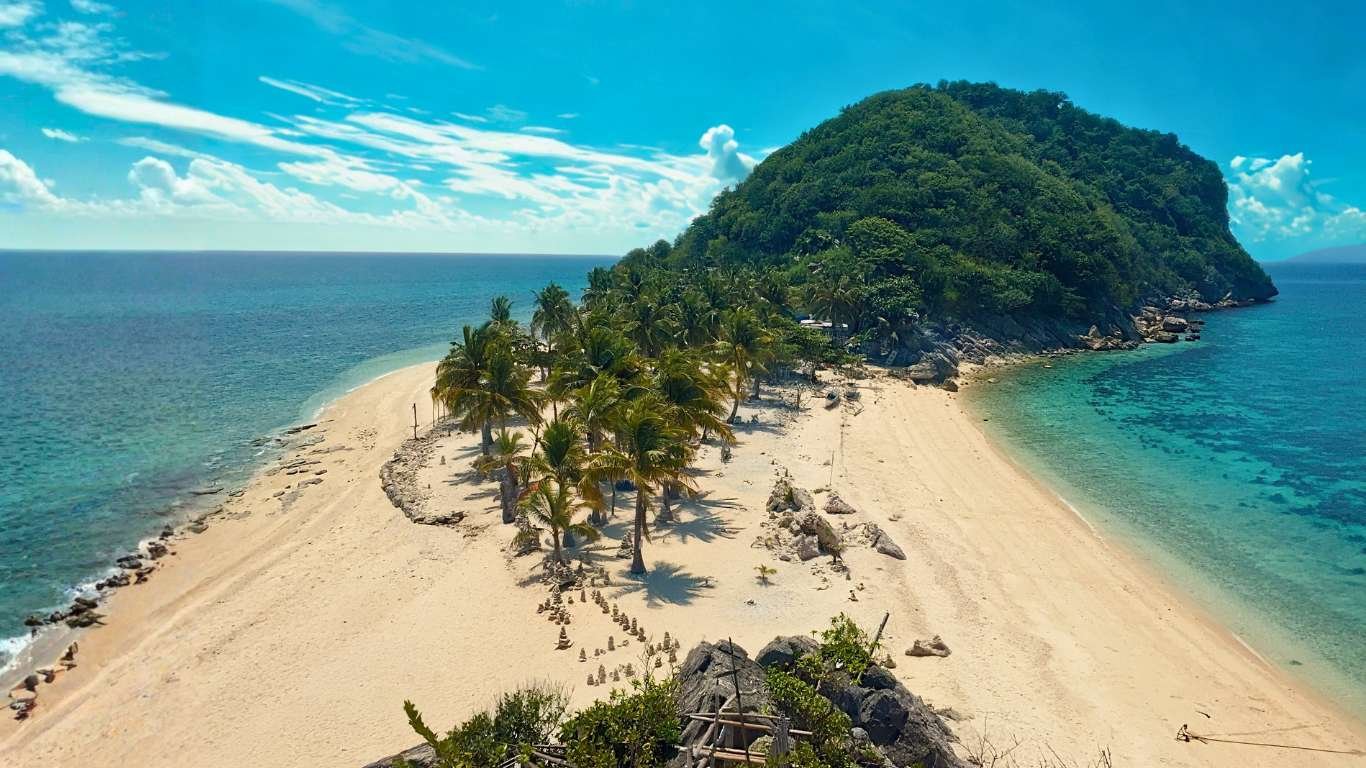
Bantigue Sandbar is a long, picturesque stretch of creamy-white sand beside Bantigue Island and one of the most recognizable stops on many Gigantes Island routes. Unlike a permanent beach with a fixed shoreline, the sandbar changes throughout the day as the tide rises and falls. Its exposed area, curve, width, and available walking space may look very different from the photographs travelers see online.
At lower tide, a longer section may be visible and suitable for walking and photography. At higher tide, portions can become narrow, partly submerged, or completely covered. Boat landing positions may also change according to water depth, waves, current, and the captain’s assessment of the safest approach.
Visitors should treat every stop as tide- and weather-dependent. Wear water shoes or strapped sandals, remain within the area identified by the guide, keep away from boat channels, and never remove sand, shells, stones, coral, plants, wildlife, or other natural materials.
Bakwitan Cave Guide: Trail Difficulty, Local Guides, and Cave Safety
(*) Cabugao Gamay Island Guide: Viewpoint, Photos, Swimming, and Safety
Balbagon Island Guide: Alternative Routes, Landings, and Open-Shore Safety
Gigantes Sur 360 Viewpoint Guide: Trail Conditions, Views, and Climb Safety
North Gigantes Island Lighthouse Guide: 1895 Heritage Site and Coastal Views
Tangke Saltwater Lagoon Guide: Tides, Karst Scenery, Access, and Safety
Lantangan Beach Guide: Lunch Stops, Community Etiquette, and Facilities
Cabugao Dako Island Guide: Beach Conditions, Landings, and Tour Inclusion
Pulo Pandan Guide: Ojatras Island, Pulupandan, and Safe Islet Visits
Pahuwayan Landscape Guide: Gigantes Sur Views, Trails, and Visitor Etiquette
Bantigue Island and Sandbar in the Gigantes Route
The official Carles Tourism destination list uses the name Bantigue Island and Sandbar. This helps distinguish the full destination from the exposed sand formation alone. The island and its surrounding waters form part of a changing coastal environment shaped by tides, currents, wind, waves, and sediment movement.
Bantigue may be included in a shared island-hopping tour, a private boat arrangement, or another operator-defined route. Its presence in a promotional itinerary does not guarantee a landing. The captain or authorized guide may shorten the visit, choose a different landing point, provide a viewing pass, or replace the stop when conditions are unsuitable.
Tour A, Tour B, and other package labels are not standardized official routes. Travelers should ask for the exact attraction list and determine whether Bantigue is planned as:
- A full sandbar landing
- A short photography stop
- A swimming stop
- A scenic pass-by
- An alternative destination subject to conditions
Compare the actual route, boat arrangements, and stop duration through the Gigantes Island tour guide.
How the Sandbar Changes With the Tide
The appearance of Bantigue Sandbar depends heavily on the tide. The sandbar should not be imagined as a fixed recreational platform that always has the same shape, width, and walking area.
| Condition | Possible Sandbar Appearance | Visitor Consideration |
|---|---|---|
| Lower tide | A longer or wider section of sand may be exposed. | More walking space may be available, but shallow channels and marine life still require care. |
| Rising tide | Water may gradually cover low sections and divide parts of the exposed sand. | Visitors should stay close to the group and respond promptly to guide instructions. |
| Higher tide | The visible area may become narrow, partly submerged, or unavailable for landing. | The captain may shorten the visit, change the landing point, or skip the stop. |
| Windy or rough conditions | Small waves may cross exposed sections or make boat positioning difficult. | Photography and walking conditions may be less comfortable or unsafe. |
A photograph showing an uninterrupted ribbon of pale sand represents one particular combination of tide, light, weather, season, camera angle, and crowd level. Visitors should not expect the same view on every date.
The best available condition may also occur outside the scheduled arrival time of a shared tour. Private tours can sometimes offer more flexibility, but even a private boat cannot override tide, maritime restrictions, or the captain’s safety judgment.
Safe Walking Areas, Currents, and Boat Channels
The shallow-looking water beside a sandbar can create a false sense of security. Water depth may increase quickly beyond the exposed section, while currents can move through channels around the sand formation.
Boats may approach Bantigue from different directions as water depth changes. A path that appeared clear when passengers arrived may later be used by another vessel. Visitors should remain inside the guide-designated walking and swimming area and stay alert for engine noise, crew instructions, and approaching boats.
Sandbar Safety Rules
- Stay with the group and within the marked or verbally identified safe area.
- Do not walk into deeper channels to obtain a wider photograph.
- Keep away from moving boats, propellers, ropes, and anchoring areas.
- Do not stand behind or beside a boat while its engine is operating.
- Supervise children continuously near the water and landing area.
- Return to the boat promptly when instructed.
- Do not assume the return path will remain exposed as the tide rises.
Swimming should occur only where the captain or guide permits it. Conditions that appear calm near shore may be different several meters farther away.
Visitors who are not confident swimmers should keep their life jackets properly fastened when advised. Children require correctly sized flotation equipment rather than loose adult life jackets.
Boat Landings and Changing Approach Points
Landing at Bantigue may involve stepping directly onto damp sand, entering shallow water, or moving between a boat and an uneven surface. The vessel may shift with waves, passenger movement, and changes in water depth.
Wait for the crew’s signal before standing or moving toward the exit. Keep both hands available, accept assistance, and avoid carrying several loose bags at once.
Safer Boat-Transfer Practices
- Secure phones and cameras before leaving the seat.
- Place valuables in a waterproof pouch.
- Use boat handholds or crew assistance.
- Step where the crew directs.
- Avoid jumping from the boat.
- Keep children beside a responsible adult.
- Wait until other passengers have cleared the landing area.
Passengers with limited mobility, balance concerns, pregnancy, recent injury, or other health needs should inform the operator before booking. Ask how deep the water may be during landing and whether assistance can be provided.
The Gigantes Island hopping guide provides broader advice on boat safety, wet landings, life jackets, and route changes.
Heat, Glare, and Limited Natural Shade
The sandbar offers little natural shade. Even a short stop can involve strong sun, reflected glare, humid conditions, and heat radiating from the pale sand.
Travelers may underestimate exposure because the breeze over the water feels cooler than the actual temperature. Sunburn, dehydration, dizziness, and heat exhaustion can develop during repeated open-air stops throughout the tour.
Bring and Use
- Drinking water
- Secure hat or cap
- Reef-conscious sun protection appropriate for the traveler
- Lightweight long-sleeved cover-up
- Sunglasses with a secure strap
- Personal medicine
Loose hats, wrappers, plastic bottles, and other items can be carried away by the wind. Secure personal belongings and take all waste back to the boat.
Visitors who become dizzy, nauseated, unusually tired, or confused should notify the guide immediately and move to the safest available shaded or seated area. Do not continue walking for photographs when experiencing signs of heat stress.
Why Water Shoes Work Better Than Loose Slippers
Water shoes or strapped sandals provide better control during boat transfers and sandbar walking. Loose slippers can float away, slip off in shallow water, or cause a fall on wet boat steps.
| Footwear Type | Suitability | Main Concern |
|---|---|---|
| Water shoes | Highly practical for wet landings and shallow walking | Should fit securely and provide sufficient sole protection. |
| Strapped sandals | Useful for beach stops and repeated boat transfers | Straps should be secure and soles should provide grip. |
| Loose slippers | Less suitable | Can slide, detach, float away, or cause unstable footing. |
| Bare feet | Not recommended without guide approval | Hidden shells, rocks, sharp debris, or marine organisms may cause injury. |
Do not step deliberately on seagrass, coral, shells containing living organisms, or visible marine animals. Move slowly in shallow water and follow the guide’s recommended path.
Photography Without Entering Unsafe Areas
Bantigue is popular for wide-angle photographs showing the sandbar’s curve and surrounding sea. However, visitors should not enter a current channel, climb onto a moving boat, block other passengers, or walk far from the group simply to recreate a photograph.
The visible curve may be shorter at high tide or less distinct under cloudy light. Crowds may also limit the available shooting angle. Treat photography conditions as variable rather than guaranteed.
Responsible Photo Practices
- Use the safe area identified by the guide.
- Keep the boat landing and walking path clear.
- Avoid lengthy posing when other groups are waiting.
- Secure phones, cameras, straps, and small accessories.
- Do not place tripods where they obstruct passengers or boats.
- Ask before photographing local workers, residents, or children.
Drones must follow current aviation, local, property, privacy, and safety requirements. Permission to carry a drone on a flight or boat does not automatically authorize operation at the sandbar.
Protecting the Changing Coastal System
Bantigue Sandbar is part of a natural coastal system, not a permanent structure that visitors may reshape. Sand movement, marine organisms, tides, currents, and vegetation all contribute to the environment.
Municipal Ordinance No. 2019-03, Section 84 prohibits the collection, extraction, or use of sand, pebbles, rocks, shells, and other natural resources of Carles. Visitors must not take natural materials as souvenirs.
Do Not
- Collect sand, shells, pebbles, or stones.
- Remove coral fragments, even when they appear dead.
- Pick up or relocate starfish and other marine animals for photographs.
- Build permanent sand structures or arrangements.
- Dig large holes that create hazards.
- Leave food, plastic, cigarette waste, or other litter.
- Damage plants or disturb nesting wildlife.
A shell that appears empty may still provide habitat for a small marine organism. A stone or coral fragment is part of the natural shoreline. The appropriate visitor practice is to observe, photograph, and leave everything where it was found.
Respecting Fishing Activity and Local Communities
Bantigue and nearby waters form part of a working coastal environment. Fishing boats, passenger vessels, guides, vendors, and local residents may use the same access areas as tourists.
Visitors should avoid blocking boat routes, touching fishing gear, stepping over ropes, or entering private areas without permission. Keep noise at a reasonable level and follow the instructions of local personnel.
Tourism should not interfere with the everyday movement and livelihood of nearby communities. Travelers should ask before using privately maintained facilities or photographing people at work.
When Bantigue May Be Skipped or Replaced
The captain has final authority over the safe route. Bantigue may be shortened, substituted, viewed from the boat, or removed from the day’s itinerary because of:
- High tide or insufficient exposed sand
- Strong current
- Wind, waves, or thunderstorms
- Unsafe landing conditions
- Heavy boat traffic or crowding
- Maritime advisories
- Insufficient daylight
- Passenger health or safety concerns
A responsible provider should explain route-change and shortened-tour policies before payment. No operator should pressure the captain to land when conditions are unsafe.
Review the complete destination framework through the Gigantes Island destinations guide, which separates Gigantes Norte, Gigantes Sur, offshore islets, and Sicogon.
Bantigue Sandbar Visitor Checklist
- Confirm that Bantigue Island and Sandbar is listed in the actual itinerary.
- Ask whether the planned experience is a landing, photo stop, or pass-by.
- Expect the sandbar’s shape and exposed area to change with the tide.
- Wear water shoes or securely strapped sandals.
- Bring drinking water and secure sun protection.
- Keep valuables inside waterproof storage.
- Stay within the guide-designated walking and swimming area.
- Avoid channels used by moving boats.
- Keep children close during boarding and shoreline activities.
- Do not step on or move marine organisms.
- Never collect sand, shells, stones, coral, plants, or wildlife.
- Take every piece of waste back to the boat.
- Accept route changes when tide, weather, or safety requires them.
Book your Gigantes Island hopping experience at GigantesIsland.com/book, or visit GigantesIsland.com/frequently-asked-questions to learn more.
