
(*) Best Iloilo Attractions: Heritage, Food, Churches, and Island Side Trips
Explore the best Iloilo attractions, from heritage churches and local food to Gigantes Islands, Guimaras, and practical north–south itineraries.
[ADS]
* Book Now, Pay Reservation Later, Balance on Your Tour Date. Terms and Conditions Apply. Subject to Availability.
The best Iloilo attractions are spread across a large and diverse province rather than concentrated in one tourism district. A rewarding visit may include centuries-old churches, local food, urban heritage streets, riverside parks, farms, coastal towns, and island-hopping destinations. Travelers can explore Iloilo City landmarks, visit Miagao Church and Garin Farm in the south, travel north to Carles and the Gigantes Islands, or add Guimaras as a separate side trip.
Good itinerary planning matters because Iloilo City and Iloilo Province are separate local government units. Iloilo City is the region’s main commercial, transport, and accommodation hub, but many well-known destinations are located hours away in provincial municipalities. Miagao and San Joaquin are southwest of the city, while Carles, Gigantes, and Concepcion are in northern Iloilo. Trying to combine these opposite directions in one rushed day usually results in more driving than sightseeing.
How to Divide Northern and Southern Iloilo Into Practical Travel Days
The easiest way to organize Iloilo is to divide the province into three travel zones: Iloilo City, southern Iloilo, and northern Iloilo. Each zone deserves its own day or group of days, especially when the itinerary includes boat travel.
| Travel Zone | Possible Highlights | Recommended Approach |
|---|---|---|
| Iloilo City | Molo, Jaro, La Paz, Calle Real, Iloilo River Esplanade, Mandurriao | Group nearby districts and include planned food stops. |
| Southern Iloilo | Miagao Church, Garin Farm, San Joaquin, coastal towns | Use a private vehicle, organized land tour, or carefully planned public transport day. |
| Northern Iloilo | Carles, Gigantes Islands, Sicogon, Concepcion | Allow a full day or overnight stay because of long road travel and possible boat schedules. |
| Guimaras side trip | Jordan or Buenavista gateway, mango stops, inland viewpoints, Guisi area | Check the correct port and the last return boat before leaving Iloilo. |
Travelers with only two days should usually choose one city day and either one northern or one southern day. A three- or four-day visit allows a more comfortable combination, such as Iloilo City, southern heritage attractions, and a full Gigantes excursion. Those arriving from another province should also consider flight delays, hotel check-in, baggage handling, and transfer time before planning a long provincial trip.
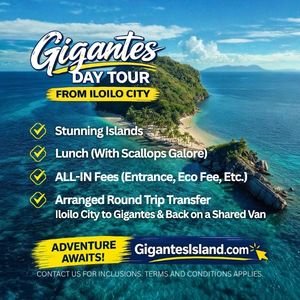
The long northbound journey is particularly important when visiting Carles. The official approximate road distance from Iloilo City to Carles is about 146–147 kilometers, and the day may begin before dawn when joining a same-day island tour. Travelers who want a less tiring schedule can stay overnight in mainland Carles before departure. Review the Gigantes Island day tour from Iloilo City guide before combining the city and the islands in one day.
Miagao Church and Garin Farm: Heritage and Faith-Based Stops in the South
Miagao Church is one of Iloilo’s most important heritage destinations. It is one of the four churches included in the World Heritage inscription for the Baroque Churches of the Philippines. Its massive stone façade, fortress-like form, and decorative details make it a significant architectural and religious landmark.
Visitors should remember that Miagao Church remains an active place of worship. Dress respectfully, keep voices low, and avoid blocking entrances or taking disruptive photographs during Mass, weddings, funerals, and other religious activities. Photography rules may change depending on the event, so follow posted notices or instructions from church personnel.
A southern Iloilo day can also include Garin Farm in San Joaquin. The property is widely known for its agricultural setting and faith-oriented attractions. The visit may involve walking, climbing steps, and extended sun exposure, so travelers should bring water, wear suitable footwear, and consider the physical ability of children, older adults, and companions with mobility concerns.
Miagao and San Joaquin are in the same general southern direction, making them more practical to combine than either destination with Carles. However, travelers should still allow time for meals, parking, entrance procedures, and possible traffic. A rushed plan that includes Miagao, Garin Farm, Iloilo City, and Gigantes in one continuous day is not realistic for most visitors.
Practical Southern Iloilo Checklist
- Dress appropriately for churches and religious spaces.
- Carry water and sun protection for outdoor attractions.
- Confirm current opening hours and admission arrangements.
- Allow time for meals and road travel between municipalities.
- Avoid scheduling the southern route on the same day as a northern island departure.
Iloilo City Food and Landmark Circuit Around Molo, Jaro, and the Esplanade
Iloilo City is more than a gateway to provincial attractions. It is a destination with distinct districts, heritage areas, churches, food traditions, museums, parks, and modern commercial zones. The city is recognized as a UNESCO Creative City of Gastronomy, making local food an important part of a complete Iloilo itinerary.
Popular local dishes include La Paz batchoy, pancit molo, KBL, native pastries, and regional seafood preparations. Food stops should be planned rather than treated as an afterthought. Well-known restaurants and local institutions can become busy at lunch and dinner, while some traditional dishes may be available only at certain times or locations.
A practical city route can begin in Jaro, where visitors may see Jaro Cathedral and nearby heritage areas. From there, travelers can continue toward La Paz for batchoy, proceed to City Proper and Calle Real, and later visit Molo Church and Molo Mansion. The Iloilo River Esplanade can be scheduled in the late afternoon or early evening when temperatures are cooler.
Mandurriao offers a different atmosphere, with modern business districts, shopping areas, restaurants, and developments around Festive Walk. It can be included after the heritage circuit, but travelers should allow for traffic and avoid unnecessary backtracking between districts.
For a more detailed district-based plan, use the Iloilo City travel guide to group Jaro, La Paz, City Proper, Molo, and Mandurriao efficiently.
Food Experiences to Include
- La Paz batchoy: A noodle soup associated with La Paz and commonly served with pork, broth, and toppings.
- Pancit molo: A dumpling soup connected with the Molo district and Ilonggo home cooking.
- KBL: A regional dish whose name refers to kadyos, baboy, and langka.
- Seafood: Iloilo’s coastal economy supports a wide variety of fish, shellfish, and local preparations.
- Native delicacies: Bakeries, markets, and specialty shops offer regional pastries and rice-based snacks.
Travelers with allergies or dietary restrictions should ask about ingredients before ordering. Seafood dishes, broths, sauces, and shared cooking surfaces may contain allergens that are not obvious from the menu description.
Pairing Gigantes Islands With Concepcion and Other Northern Destinations
Northern Iloilo offers some of the province’s most scenic coastal and island experiences. Carles is the principal mainland gateway to the Gigantes group of islands, while Concepcion has its own island destinations, coastal communities, and boat arrangements. Although both are in northern Iloilo, they should not be treated as one continuous attraction zone with automatic transport between them.
Gigantes tours commonly involve road travel to Carles, tourism procedures at Bancal Port, boat boarding, and a route that may include beaches, sandbars, lagoons, or viewpoints. The actual itinerary depends on the selected package, sea conditions, tides, daylight, maritime clearance, and the captain’s safety decision.
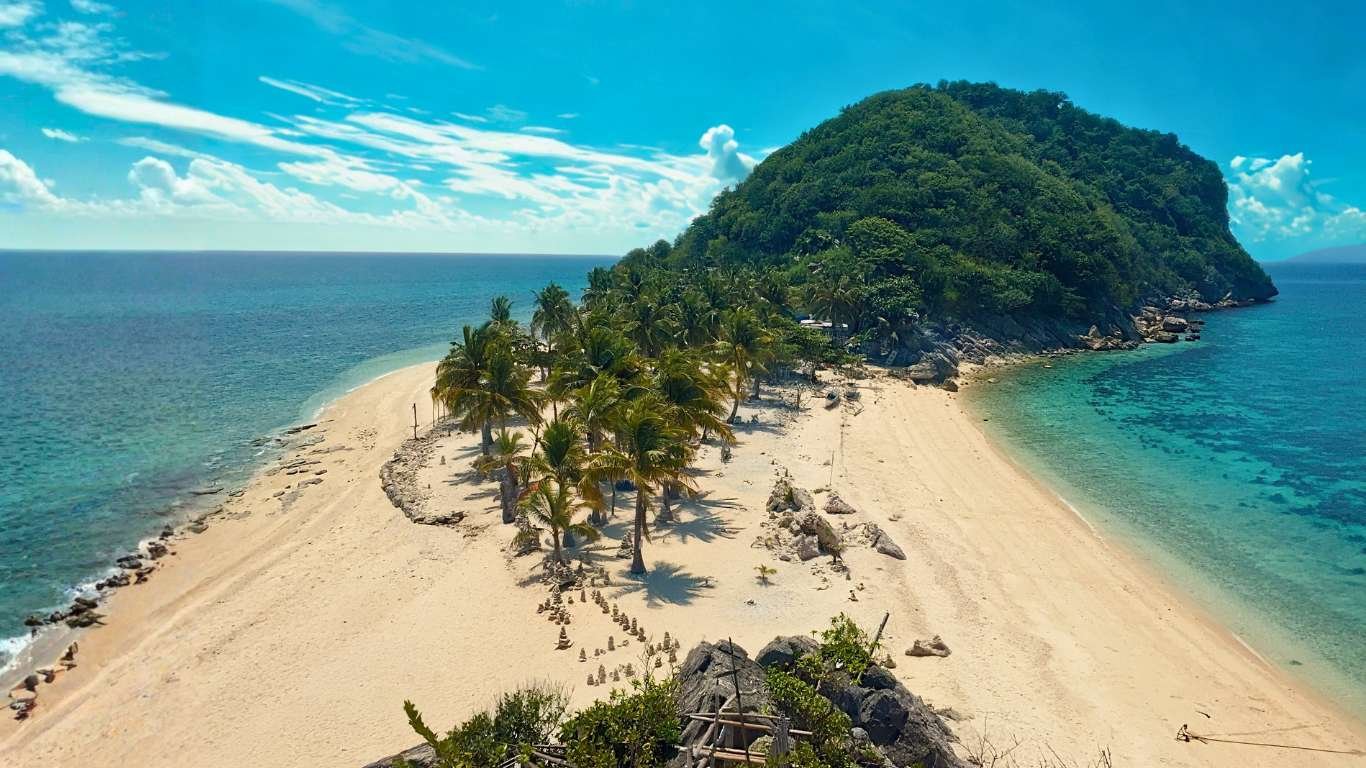
Visitors should not assume that every well-known attraction is included in one departure. Possible stops may include Cabugao Gamay, Bantigue Island and Sandbar, Tangke Lagoon, Antonia Point, or Ojatras Island, but the final route must be confirmed in writing and may still change on the day of travel. Explore the Gigantes Island attractions guide to understand the location, physical demands, and access conditions of different stops.
Concepcion can be added as a separate northern Iloilo day, especially for travelers with more time. It may also serve as part of a broader coastal itinerary, but guests should verify the departure point, boat arrangement, permitted destinations, fees, and return schedule. A Carles tour and a Concepcion tour are separate products and should be booked with enough time between them.
When to Stay Overnight in Northern Iloilo
An overnight stay may be more practical when travelers:
- Do not want a predawn departure from Iloilo City
- Are traveling with young children or older companions
- Want to reduce the risk of missing the port reporting time
- Plan to visit both Carles and another northern municipality
- Have bulky luggage that should be stored before boarding
- Prefer more flexibility when weather changes
Mainland Carles generally offers easier road access and more predictable access to supplies than the island barangays. Before booking, verify the exact barangay, travel time to Bancal Port, early transport arrangement, and luggage-storage policy. The Carles Iloilo travel guide explains the municipality’s gateway role, official distances, port procedures, and practical preparation.
Adding Guimaras Without Missing Return Boats or Overloading the Itinerary
Guimaras is a popular side trip from Iloilo City, but it should be treated as a separate travel day rather than a quick stop inserted between distant Iloilo attractions. Passenger boats commonly connect Iloilo with Guimaras through gateways such as Jordan or Buenavista, but travelers must verify the current terminal, schedule, fare, check-in procedure, and last return trip.
Jordan and Buenavista serve different parts of Guimaras. Choosing the wrong gateway can add substantial land travel and make the planned route inefficient. Travelers who want to visit the Guisi Lighthouse area or other southwestern attractions should expect a longer road journey after arriving on the island.
A Guimaras land tour may include mango-related stops, churches, farms, viewpoints, beaches, or wind-energy landmarks, depending on the route and current access. Island hopping is a separate activity that may use a different port and require more time than a short land circuit.
Before hiring a tricycle, multicab, or private vehicle, agree on the route, total rate, waiting time, entrance fees, overtime charge, and final drop-off point. Photographing or saving the agreed itinerary can help avoid misunderstandings.
Travelers planning Guimaras immediately before or after a Gigantes tour should maintain a generous buffer. A delayed Guimaras return boat can affect an Iloilo City pickup, while a late return from Gigantes can make it impossible to catch the last crossing. Consult the Guimaras tour guide from Iloilo for more detailed port and itinerary planning.
Sample Iloilo Itineraries
Two-Day Heritage and Food Plan
Day 1: Explore Jaro, La Paz, Calle Real, Molo, and the Iloilo River Esplanade, with planned stops for batchoy, pancit molo, or regional seafood.
Day 2: Travel south to Miagao Church and Garin Farm, allowing time for respectful church visits, walking, meals, and the return to Iloilo City.
Three-Day City and Gigantes Plan
Day 1: Explore Iloilo City by district and prepare cash, medicine, sun protection, and waterproof storage.
Day 2: Join a full-day Gigantes tour from Iloilo City or travel to mainland Carles for an overnight stay.
Day 3: Use as a recovery, city-food, or flexible weather-buffer day instead of scheduling an immediate fixed flight after island hopping.
Four-Day Iloilo and Guimaras Plan
Day 1: Iloilo City heritage and food circuit.
Day 2: Southern Iloilo route covering Miagao and San Joaquin.
Day 3: Full Gigantes excursion or overnight northern Iloilo plan.
Day 4: Guimaras land tour with a confirmed return boat, or use the day as a weather buffer when sea travel is uncertain.
Practical Checklist for Visiting Iloilo Attractions
- Identify whether each destination is in Iloilo City or a provincial municipality.
- Separate northern and southern attractions into different travel days.
- Confirm current opening hours, access rules, fees, and transport arrangements.
- Dress respectfully when entering churches and active religious sites.
- Plan food stops around local dishes and communicate allergies in advance.
- Allow generous time for port transfers, registration, boat loading, and return travel.
- Carry sufficient Philippine pesos because electronic payments may not always work.
- Keep medicine, identification, and booking records protected from water.
- Avoid fixed evening flights or ferry connections after a full Gigantes tour.
- Reconfirm marine travel close to departure because a favorable season does not guarantee calm seas.
Build your Iloilo itinerary around realistic travel zones rather than the number of attractions you can place on a list. To reserve your Gigantes Island hopping experience, visit GigantesIsland.com/book, or review the Frequently Asked Questions for guidance on tours, transport, weather, packing, and island access.
