
(*) Cebu to Gigantes Island: Flight, Ferry, and Multi-City Route Options
Plan Cebu to Gigantes Island travel by flight or ferry, including Iloilo and Roxas transfers, port checks, weather buffers, and baggage rules.
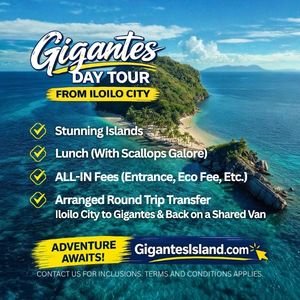
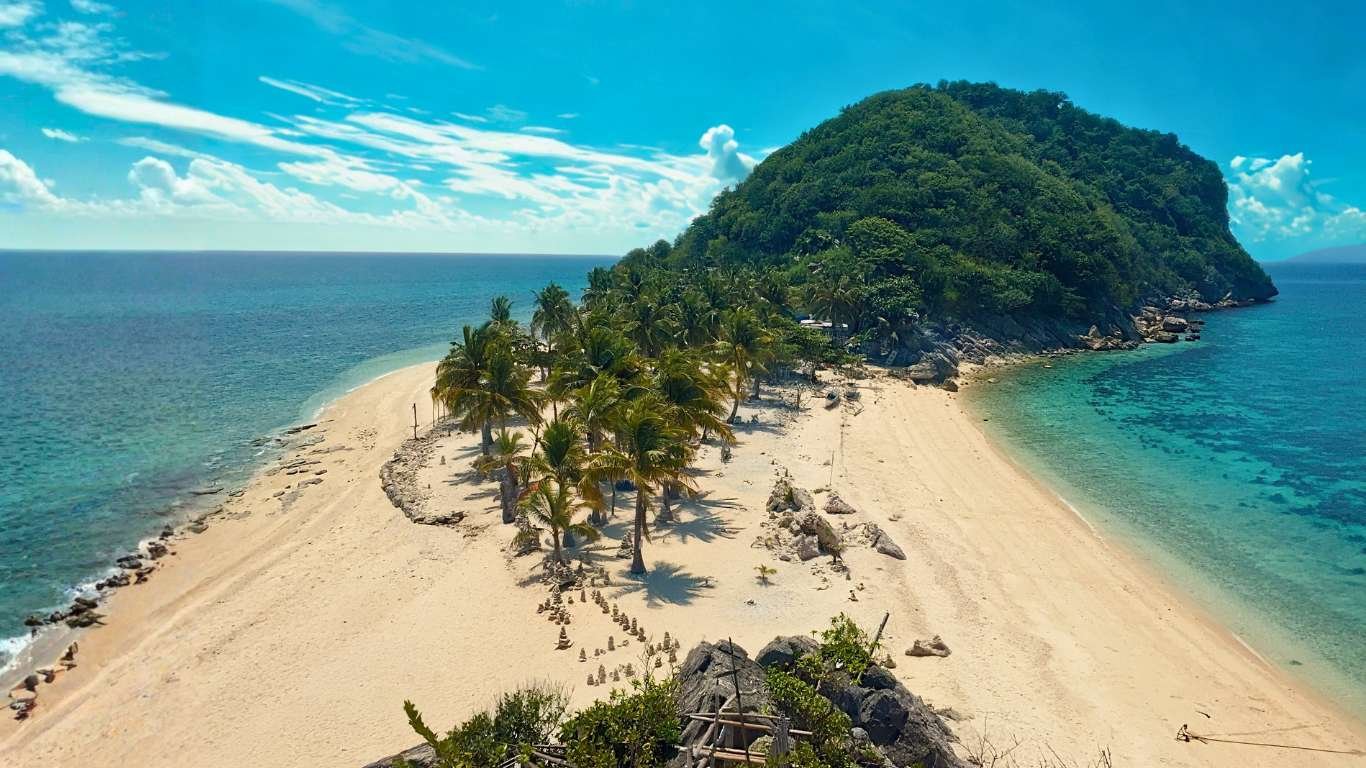
[ADS]
* Book Now, Pay Reservation Later, Balance on Your Tour Date. Terms and Conditions Apply. Subject to Availability.
Traveling from Cebu to Gigantes Island combines two very different Visayas experiences. Cebu offers major air and sea connections, extensive hotels, urban services, and numerous attractions, while Gigantes is a quieter, boat-based destination reached through northern Iloilo. Most travelers must first reach Iloilo or Roxas City, continue overland to Carles, complete tourism procedures at Bancal Port, and then board the confirmed island-hopping or passenger boat.
When a direct Cebu–Iloilo flight is available on the chosen date, flying is often the simplest connection because it avoids a longer overnight sea journey. Ferry travel may still suit travelers building a multi-city route through Bacolod, Iloilo, or another Visayas destination. However, vessel schedules, ports, operators, and connecting transport can change, so every segment must be verified before payment.
Build at least one flexible transfer day into the itinerary. This is particularly important during the rainy or typhoon season, when flights may be delayed and sea travel can be suspended because of wind, waves, or official safety restrictions.
Understanding the Cebu to Gigantes Island Journey
There is normally more than one transport stage between Cebu and the Gigantes group. Even when the first flight or ferry operates on time, travelers must still coordinate arrival-terminal procedures, luggage collection, road transportation to Carles, Bancal registration, and the island departure.
| Travel Stage | What to Confirm | Main Risk |
|---|---|---|
| Cebu departure | Airport or exact seaport, terminal, check-in time, and baggage allowance | Reporting at the wrong pier or arriving after check-in closes |
| Arrival in Iloilo or Roxas | Arrival terminal, luggage collection, and meeting point for the next transfer | The road vehicle may be waiting at a different terminal or area |
| Road transfer to Carles | Private or shared vehicle, pickup time, route, rest stops, and final drop-off | Traffic, multiple passenger pickups, or a late arrival in Bancal |
| Bancal Port procedures | Registration, Tourism Pass, meeting point, and operating provider | Missing the required reporting time or incomplete booking details |
| Island departure | Boat type, route, passenger capacity, meals, and weather policy | Sea conditions, maritime clearance, or route cancellation |
The journey should therefore be treated as a sequence of separate connections rather than one continuous ticket. Unless a provider explicitly confirms otherwise, a delay on the Cebu segment may not protect the traveler from losing a separate van, hotel, or Gigantes tour booking.
Using a Direct Cebu–Iloilo Flight When Available
When a direct flight operates on the required date, Cebu to Iloilo can be the most straightforward starting point. It eliminates an overnight ferry and allows the traveler to continue by road toward Carles after arriving in Panay.
However, landing at Iloilo Airport does not mean the traveler is ready for an immediate island departure. The airport is separate from Carles, and the official approximate road distance from Iloilo City to Carles is 146–147 kilometers. The actual transfer time depends on airport pickup, traffic, road conditions, passenger stops, weather, and the exact destination in Carles.
Questions to Confirm Before Booking the Flight
- Is the flight operating on the selected date?
- What is the scheduled arrival time in Iloilo?
- How much checked and cabin baggage is included?
- How will the traveler reach Carles after landing?
- Does the road transfer begin at the airport or in Iloilo City?
- Can the Carles accommodation accept a late arrival?
- Is the Gigantes tour scheduled for the same day or the following morning?
A same-day flight-to-tour connection is risky because baggage delays, traffic, weather, and port procedures can cause the traveler to miss the boat. A safer plan is to fly to Iloilo, travel to mainland Carles, stay overnight, and join the confirmed tour the following day.
Travelers who prefer to remain in the city before heading north can review the Iloilo City travel guide for accommodation areas, sightseeing, and onward planning.
Considering Roxas City as an Alternative Gateway
Roxas City is approximately 70 kilometers from Carles according to the official Carles tourism guide, making it geographically closer than Iloilo City. A traveler reaching Roxas may have a shorter road journey to Bancal, but the overall route still depends on available flights or ferries, transfer schedules, and the final pickup arrangement.
A closer airport or port does not automatically produce an easier connection. Travelers should confirm whether a direct Cebu–Roxas service operates on the chosen date and whether a reliable private or shared transfer is available upon arrival.
When comparing Iloilo and Roxas, examine the complete itinerary rather than the road distance alone. A more convenient flight schedule into Iloilo may be preferable to an awkward or unprotected connection through Roxas.
Checking the Exact Cebu Pier and Check-In Location
Cebu has several seaports, piers, and passenger terminals. A ferry ticket should be checked carefully for the exact departure city, port, pier number, terminal, reporting time, and vessel operator.
Do not rely only on the phrase “Cebu Port.” The passenger terminal may be in Cebu City or another part of the province, and the correct entrance can be some distance from the traveler’s hotel or airport.
Ferry Ticket Details to Verify
- Exact departure port and terminal
- Pier or gate number
- Passenger check-in deadline
- Printed or digital ticket requirements
- Government identification requirements
- Checked-baggage procedure
- Cabin, reclining seat, or open-deck category
- Meals and bedding, if applicable
- Weather cancellation and rebooking rules
Arrive with enough time to find the correct terminal and complete check-in. Traffic between a Cebu hotel, airport, and seaport can be unpredictable, especially when the route crosses busy urban areas.
Confirming the Iloilo Arrival Terminal
A ferry arriving in Iloilo may use a terminal separate from the airport, bus terminals, van pickup areas, or the port used for another vessel. The next road transfer should identify exactly where the driver will meet the passenger.
Ask whether the transfer provider will collect travelers inside the terminal area, outside the port gate, at a nearby landmark, or from an Iloilo City hotel. Keep the driver’s name, phone number, vehicle details, and location pin available offline.
If the route passes through Bacolod or another city, the traveler may need to change vessels, cross to another terminal, or purchase a separate ticket. Do not assume that arrival and departure facilities are in the same building or within walking distance.
Planning Overnight Ferries and Multi-City Routes
Ferry travel can be part of an enjoyable multi-city itinerary. A traveler might combine Cebu, Bacolod, Iloilo, and Gigantes instead of flying directly. This approach can reduce repeated air travel and add another destination, but it also creates more connections that can fail when weather or vessel schedules change.
A sea itinerary may involve:
- An overnight vessel from Cebu
- An intermediate stop in Bacolod or another city
- A separate fast craft or ferry ticket
- A transfer between ports
- A road journey from Iloilo or Roxas to Carles
Each booking should be treated as independent unless the seller clearly states that the journey is protected as one through-ticket. When tickets are separate, a delayed first vessel may not require the second operator to rebook the traveler without charge.
Overnight ferries can also involve different accommodation categories. Confirm whether the ticket provides a private cabin, shared cabin, bunk, reclining seat, or another passenger area. Travelers with children, mobility concerns, or substantial luggage should choose the arrangement carefully.
Building a Contingency Day for Weather or Missed Sailings
A contingency day gives the itinerary room to recover from flight delays, suspended ferries, missed road transfers, or cancelled boat trips. This buffer is especially valuable when traveling during periods of unsettled weather.
More Resilient Itinerary Example
- Day 1: Travel from Cebu to Iloilo, Roxas, Bacolod, or another confirmed connection point.
- Day 2: Continue overland to mainland Carles and stay near the confirmed reporting area.
- Day 3: Complete Bancal tourism procedures and join the Gigantes tour.
- Day 4: Continue to the next destination with time available for a delayed return.
A tighter route may work when every service operates correctly, but it leaves little protection when one segment is delayed. Travelers with nonrefundable flights or important appointments should use a longer buffer.
Separate bookings generally do not compensate the traveler for losses caused by another supplier. A delayed ferry may not cover a missed hotel night, and a missed van may not qualify for a tour refund.
Bancal Port Registration and Tourism Procedures
Bancal Port in Barangay Bancal, Carles, is designated under Municipal Ordinance No. 2016-03 as the official entrance and exit point and gateway to the municipality’s island destinations. Visitors normally complete the current tourism procedures through the Bancal Tourism Office before authorized island travel.
The Tourism Pass is issued through the tourism office for tourist entry to designated attractions. Depending on the current procedure, guests may also need to provide passenger details, settle documented charges, attend a briefing, and wait for the operator’s boarding instructions and maritime clearance.
Reaching Carles does not guarantee an immediate boat departure. Tours remain subject to operator availability, tides, weather, vessel condition, passenger coordination, and maritime clearance.
Before leaving Cebu, confirm:
- The exact Bancal meeting point
- The reporting date and time
- The registered booking contact
- The actual tour and boat operators
- Tourism Pass and fee arrangements
- The route, meal, and life-jacket provisions
- The cancellation and shortened-route policy
Read the Bancal Port guide for more information about registration, boarding, luggage, and weather-related delays.
Baggage Rules for Diving Gear and Bulky Equipment
Travelers carrying diving gear, large camera bags, drones, tripods, or other bulky equipment should compare airline and ferry baggage rules before choosing the route. A ferry may allow heavier luggage than a flight, but the traveler must still move the equipment through terminals, vans, ports, and smaller island boats.
Ask each provider about:
- Maximum checked-baggage weight
- Cabin-baggage dimensions
- Oversized-item charges
- Fragile-equipment handling
- Storage inside the road vehicle
- Boat luggage limits
- Availability of secure mainland storage
Large suitcases and rigid equipment cases may be difficult to carry during beach landings or transfers to island accommodations. Leave nonessential luggage at an approved mainland hotel or secure storage area when possible.
The Gigantes Island hotels guide can help travelers compare mainland locations and ask about luggage storage before or after a tour.
Drones, Power Banks, and Spare Lithium Batteries
Drones, power banks, and spare lithium batteries require careful handling, particularly when flying. Travelers must check the current airline’s battery limits, cabin-baggage rules, terminal protection requirements, and approval process for higher-capacity batteries.
Spare lithium batteries should not be packed loosely in checked baggage. Protect exposed terminals from short circuits using suitable covers, individual pouches, or the method required by the airline. Batteries should not be crushed, punctured, swollen, damaged, or carried when their condition is questionable.
Power-bank capacity is normally evaluated using watt-hours rather than only milliampere-hours. Check the printed battery specification and verify it against the airline’s current rules before arriving at the airport.
Ferries may apply their own dangerous-goods and baggage policies. Permission to carry equipment on one transport segment does not guarantee acceptance by the next airline, ferry, van, or boat operator.
Drone users must also verify local flight restrictions, weather, crowd safety, private-property rules, and any required permission before operating. A tourism booking does not automatically include authorization to launch a drone at a port, resort, beach, or attraction.
Packing for Cebu and Gigantes
Cebu supports conventional city and resort travel, while Gigantes favors lighter luggage and waterproof organization. Travelers can keep the main suitcase at a mainland accommodation and use a small day bag during island hopping.
Recommended Gigantes Day Bag
- Quick-drying clothes or swimwear
- Towel and dry change of clothing
- Secure sandals or water shoes
- Drinking water
- Sun protection
- Wind-secured hat
- Light long-sleeved layer
- Personal medicine
- Small-denomination Philippine pesos
- Offline booking records
- Separate waterproof pouches for electronics and documents
Boat boarding may involve wet surfaces, narrow gangways, or shallow-water landings. Keep both hands free, secure loose equipment, and follow crew instructions rather than rushing to board.
Travel Insurance and Separate-Booking Risks
Travelers should review insurance coverage for domestic trip interruption, weather delays, missed connections, baggage, medical treatment, evacuation, water-based activities, and expensive equipment. Coverage differs among policies, and ordinary cancellation benefits may exclude foreseeable weather events or separately booked services.
Insurance does not remove the need for a flexible itinerary. It also does not override an airline, ferry, captain, or authority’s decision to suspend an unsafe service.
Keep policy details, booking confirmations, receipts, identification, and emergency contacts available offline. Weak signal can make cloud-only documents inaccessible during a disrupted journey.
Cebu to Gigantes Island Planning Checklist
- Check whether a direct Cebu–Iloilo or Cebu–Roxas flight operates on the selected date.
- Verify the exact Cebu airport, seaport, pier, and terminal.
- Confirm the Iloilo or Roxas arrival point and road-transfer meeting location.
- Treat separate ferry, flight, van, hotel, and tour bookings as unprotected connections.
- Build at least one contingency day into the itinerary.
- Allow an overnight stay before a fixed Gigantes departure.
- Confirm Bancal registration, Tourism Pass, and maritime procedures.
- Compare baggage limits for diving gear, drones, and bulky equipment.
- Carry spare lithium batteries according to current transport rules.
- Store booking records and emergency contacts offline.
- Avoid a fixed flight or ferry immediately after the Gigantes tour.
Compare route, transfer, and tour arrangements through the Gigantes Island travel planner before finalizing the Cebu connection.
Book your Gigantes Island hopping experience at GigantesIsland.com/book, or visit GigantesIsland.com/frequently-asked-questions to learn more.
