
Lantangan Beach Guide: Lunch Stops, Community Etiquette, and Facilities
Plan your Lantangan Beach visit with guidance on lunch stops, community etiquette, wet landings, toilets, photography, food requests, and waste management.
[ADS]
* Book Now, Pay Reservation Later, Balance on Your Tour Date. Terms and Conditions Apply. Subject to Availability.
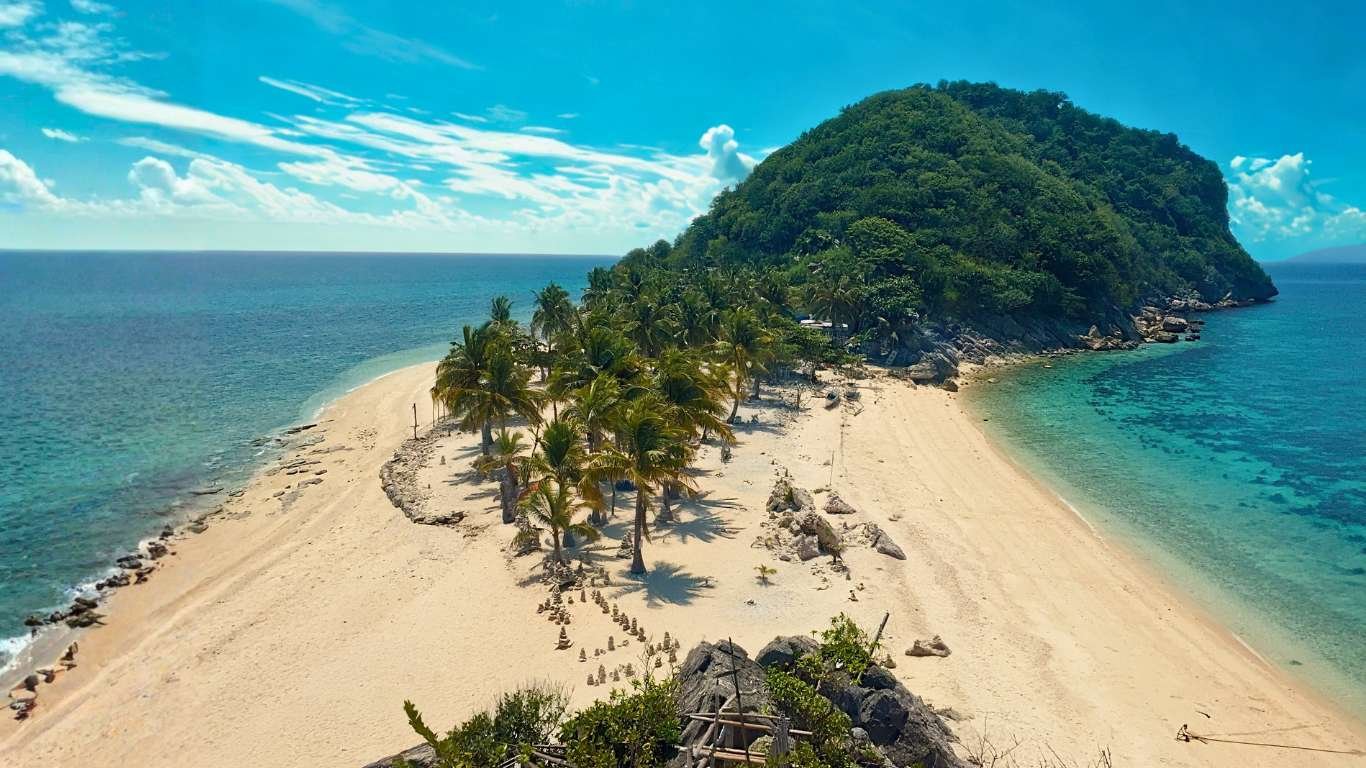
Lantangan Beach on Gigantes Sur is commonly used as a lunch, rest, or land-tour stop on selected Gigantes Island itineraries. Unlike a secluded resort beach created mainly for visitors, Lantangan is part of a lived-in island community where residents continue their everyday routines alongside tourism activity.
Visitors may see fishing boats, nets, ropes, homes, children, food preparation, and local transport. This community setting is part of the experience, but it should never be treated as a staged attraction. Travelers should behave respectfully, ask permission before photographing people, avoid entering private spaces, and follow the route identified by the guide.
Meal arrangements, seating, toilets, washing facilities, beach conditions, and available services can vary by operator and travel date. Confirm what the tour includes before leaving Bancal Port, report dietary requirements during booking, and carry personal drinking water, tissue, hand sanitizer, and waterproof protection for valuables.
Where Lantangan Beach Fits Into a Gigantes Tour
Lantangan Beach may appear in an operator-defined tour that combines marine attractions with land-based stops on Gigantes Sur. It is not one of the 13 destinations featured in the official Carles Tourism display, so it should be described as an additional community, meal, or operator-defined stop rather than a guaranteed part of a standardized official itinerary.
Tour A, Tour B, and similar package labels are not standardized. One provider may use Lantangan as a lunch area, while another may arrange meals elsewhere or omit the stop entirely. Travelers should request the actual itinerary and ask whether Lantangan is included as:
- A lunch stop
- A short rest stop
- A beach landing
- A community visit
- A transfer point for nearby land attractions
- An alternative when another planned stop is unavailable
Ask how long the stop is expected to last and what happens if weather, tide, crowding, or local operating conditions require a change. The captain and authorized guide retain final authority over the safe route.
Travelers can compare route structures through the Gigantes Island tour guide and the broader Gigantes Island destinations guide.
Experiencing a Lived-In Fishing Community With Respect
Lantangan is not an empty tourism set. Residents may be repairing boats, handling fishing equipment, preparing food, washing clothes, accompanying children, or moving between homes and the shoreline.
Visitors should remember that community spaces remain part of people’s daily lives even when tour groups are present. The appropriate approach is to observe respectfully without disrupting work, blocking pathways, or treating residents as props for photographs.
Respectful Community Behavior
- Remain with the guide and use approved pathways.
- Do not enter homes, yards, kitchens, or private structures without permission.
- Keep noise at a reasonable level near residences.
- Avoid blocking doors, boats, paths, and working areas.
- Ask before sitting in or using privately maintained spaces.
- Dress appropriately when walking through residential areas.
- Follow local instructions regarding restricted areas.
Tourism should support local livelihoods without reducing residents’ privacy, dignity, or ability to work. Friendly interaction is welcome when mutual, but visitors should not insist on conversation, photographs, or access to private spaces.
Children, Coins, and Responsible Interaction
Visitors may encounter children near the beach or community pathways. Travelers should interact respectfully and avoid behavior that creates risk or encourages unsafe activity.
Do not throw coins into the water or encourage children to dive for money. This can be dangerous around boats, engines, currents, rocks, and changing water depth. It can also create an undignified spectacle and encourage children to enter unsafe areas for visitors’ entertainment.
Better Ways to Interact
- Greet children politely without demanding a performance.
- Ask a parent or responsible adult before taking photographs.
- Do not distribute money or gifts in a way that creates crowding or competition.
- Do not encourage diving, climbing, or risky behavior.
- Respect a child’s refusal to interact or be photographed.
Any community support should be coordinated through a legitimate local organization, school, barangay representative, tour operator, or established project rather than distributed impulsively during a brief visit.
Seafood Meals and Simple Filipino Dishes
Lunch at Lantangan Beach commonly centers on locally available seafood and simple Filipino dishes. The exact menu depends on the operator, supplier, group size, season, local catch, and advance arrangements.
A typical meal may include rice, fish, shellfish, vegetables, grilled items, soup, or another locally prepared dish, but no particular menu should be assumed unless it appears in the written booking confirmation.
| Meal Detail | What to Confirm |
|---|---|
| Menu | Exact dishes, drinks, and serving style |
| Portion basis | Per person, shared platter, or group allocation |
| Dietary requests | Vegetarian, allergy-safe, low-salt, or other substitutions |
| Meal time | Expected serving period and whether delays are possible |
| Included cost | Whether lunch is part of the package or separately charged |
Food availability can change. A dish shown in an advertisement or older review may not be offered on the travel date. Travelers should focus on the confirmed menu rather than assuming every seafood item will be available.
Dietary Requests and Advance Menu Arrangements
Allergies, vegetarian needs, religious restrictions, medical diets, and other food requirements should be reported during booking rather than at mealtime. Island kitchens and small community suppliers may not have the ingredients or preparation space needed for an immediate substitute.
Advance notice gives the operator time to determine whether a suitable meal can be provided or whether the traveler should bring approved supplemental food.
Report in Advance
- Shellfish or seafood allergy
- Peanut, egg, dairy, or other serious allergy
- Vegetarian or vegan requirement
- Food required with medicine
- Low-salt, low-sugar, or medically restricted diet
- Religious dietary restrictions
Travelers with a severe allergy should carry prescribed medication and make sure the tour coordinator knows where it is kept. Cross-contact may be difficult to eliminate in a small kitchen where seafood and other dishes are prepared in the same area.
Do not assume that removing a visible ingredient makes a dish safe for a person with a serious allergy.
Food Safety and Vendor Purchases
Additional seafood, snacks, or drinks may be offered depending on local supply and vendor operations. Ask for the total price, serving size, and preparation method before ordering.
Choose freshly prepared food from a reputable source. Avoid seafood that has been left exposed in heat, has an unusual smell, or has uncertain handling and storage.
Before Ordering
- Confirm whether the price is per piece, plate, kilogram, or serving.
- Ask whether cooking or preparation has a separate charge.
- Check whether drinks are included.
- Inform the vendor about allergies.
- Carry small-denomination Philippine pesos.
Electronic payment may not be dependable because mobile signal and merchant connectivity can be limited. Travelers should bring sufficient cash and confirm whether optional purchases are included in the tour price.
For broader cash preparation, review the ATM and cash guide for Gigantes travelers.
Wet Landings and Sandy Access
Landing at Lantangan Beach may involve stepping directly onto sand, entering shallow water, or moving across a wet shoreline. The captain chooses the safest available approach based on tide, waves, water depth, boat traffic, and beach conditions.
Passengers should remain seated until instructed and keep both hands available during the transfer. Phones, cameras, documents, and cash should remain inside waterproof protection until the traveler is safely ashore.
Safer Landing Practices
- Wear water shoes or strapped sandals.
- Accept assistance from the boat crew.
- Step only where directed.
- Do not jump from the boat.
- Keep children beside a responsible adult.
- Move clear of the landing area before stopping.
- Tell the operator in advance about mobility concerns.
Travelers with knee, balance, mobility, pregnancy, or health concerns should ask how difficult the expected transfer may be. A private boat may provide more time for assistance, but it cannot guarantee a dry or level landing.
Working Boats, Ropes, Nets, and Fishing Equipment
The shoreline may contain working boats, ropes, nets, anchors, engines, baskets, or other fishing equipment. These items should not be moved, climbed on, or used as photo props.
Ropes can create tripping hazards, while active engines and propellers present serious safety risks. Visitors should follow the path selected by the crew and remain clear of ongoing work.
Keep Clear Of
- Boat approach and departure lanes
- Operating engines and propellers
- Anchors and mooring ropes
- Fishing nets and drying areas
- Loading and unloading spaces
- Private boats and equipment
Do not block the shoreline while taking group photographs. Local workers may need to move boats, equipment, food, or supplies through the same area.
Photography, Drones, and Residential Privacy
Always ask before photographing residents, children, homes, food-preparation areas, or private property. A public shoreline does not remove an individual’s right to privacy.
Visitors should avoid pointing cameras into windows, yards, kitchens, or residential spaces. Do not stage people in photographs without their clear agreement.
Drone Conduct Near Homes
Flying a drone near a residential community requires particular caution. Permission to carry a drone or operate it elsewhere does not automatically authorize flying over homes, people, children, boats, or private property.
- Obtain current local and property permission where required.
- Do not fly directly above homes or crowds.
- Avoid recording through windows or into private areas.
- Respect aviation, privacy, safety, and weather restrictions.
- Stop immediately when instructed by local authorities or residents.
Drone noise can disturb residents, animals, and ongoing work. The operator should prioritize safety and consent over obtaining footage.
Basic Toilets and Washing Areas
Toilets or washing areas may be basic and may not match the standards of a city hotel or full-service resort. Availability, cleanliness, water supply, and fees can vary.
Ask the guide what facilities are expected before leaving the boat. Some toilets may be privately managed or require a small fee.
Carry Personal Supplies
- Tissue
- Hand sanitizer
- Personal soap
- Small towel
- Drinking water
- Necessary hygiene products
- Waterproof pouch for waste until proper disposal
Do not leave tissue, wipes, plastic packaging, or hygiene products behind. Wet wipes and similar materials should not be flushed unless the facility specifically permits it.
Tables, Seating, and Shade
Meal seating may consist of simple tables, benches, covered areas, or another local arrangement. Availability can depend on group size and other tours using the area.
Ask whether seating and shade are included in the package or require an additional fee. Travelers with older adults, young children, or mobility limitations should confirm whether appropriate seating is available.
Bring secure sun protection because waiting and meal areas may still be exposed to heat and glare. A lightweight cover-up, hat, and sufficient water can make the stop more comfortable.
Drinking Water and Hydration
Carry personal drinking water rather than relying entirely on the lunch provider. Boat tours involve prolonged sun exposure, sea travel, walking, and repeated landings.
Reusable bottles should be secured so they do not roll inside the boat or blow away on the beach. Visitors should not leave disposable bottles, caps, straws, or wrappers in the community.
Travelers experiencing dizziness, unusual weakness, headache, nausea, or confusion should tell the guide and rest in the safest available shaded area.
Waste Management and Environmental Protection
Every item brought to Lantangan Beach should be taken back to the boat or placed in a confirmed waste facility. Visitors should not assume that a small island community has the capacity to process large amounts of tourism waste.
Municipal Ordinance No. 2019-03, Section 84 prohibits the collection, extraction, or use of sand, pebbles, rocks, shells, and other natural resources of Carles.
Visitors Must Not
- Remove sand, shells, rocks, coral, plants, or wildlife.
- Leave food containers, bottles, tissue, or plastic behind.
- Throw waste into the sea.
- Move fishing equipment or natural materials for photographs.
- Damage vegetation or coastal formations.
Respectful tourism includes protecting both the environment and the community that receives visitors.
Weather, Schedule Changes, and Captain Authority
Lantangan Beach may be shortened, replaced, or removed from the route because of wind, waves, tide, boat congestion, unsafe landing conditions, local operating arrangements, or insufficient daylight.
The captain has final authority over the safe route. A lunch plan may also be moved if the original area becomes unsuitable.
Before paying, ask how the operator handles:
- A changed lunch location
- A shortened stop
- An unavailable meal supplier
- A route cancellation
- Dietary substitutions that cannot be provided
- Separate fees for facilities or optional purchases
Written terms reduce misunderstandings and help travelers compare packages accurately.
Lantangan Beach Visitor Checklist
- Confirm whether Lantangan is a lunch, rest, community, or alternative stop.
- Ask what meal, drinks, seating, and facilities are included.
- Report allergies and dietary requirements during booking.
- Carry personal drinking water, tissue, and hand sanitizer.
- Bring small-denomination Philippine pesos.
- Prepare for a wet or sandy landing.
- Wear water shoes or strapped sandals.
- Keep clear of boats, ropes, nets, and working areas.
- Ask before photographing residents or children.
- Do not throw coins or encourage children to dive for money.
- Do not enter homes or private spaces without permission.
- Obtain permission before flying a drone near residences.
- Keep all waste secured for proper disposal.
- Do not remove sand, shells, coral, rocks, plants, or wildlife.
- Accept route or meal-location changes when safety requires them.
Plan the wider route, packing, cash, health, and accommodation arrangements through the complete Gigantes Island travel guide.
Book your Gigantes Island hopping experience at GigantesIsland.com/book, or visit GigantesIsland.com/frequently-asked-questions to learn more.
