
(*) Gigantes Island Hopping Guide: Routes, Boat Safety, and Responsible Stops
Plan Gigantes Island hopping with practical guidance on routes, Bancal registration, boat safety, wet landings, snorkeling, weather, and packing.
[ADS]
* Book Now, Pay Reservation Later, Balance on Your Tour Date. Terms and Conditions Apply. Subject to Availability.
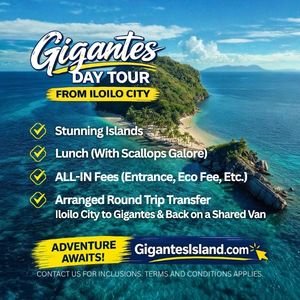
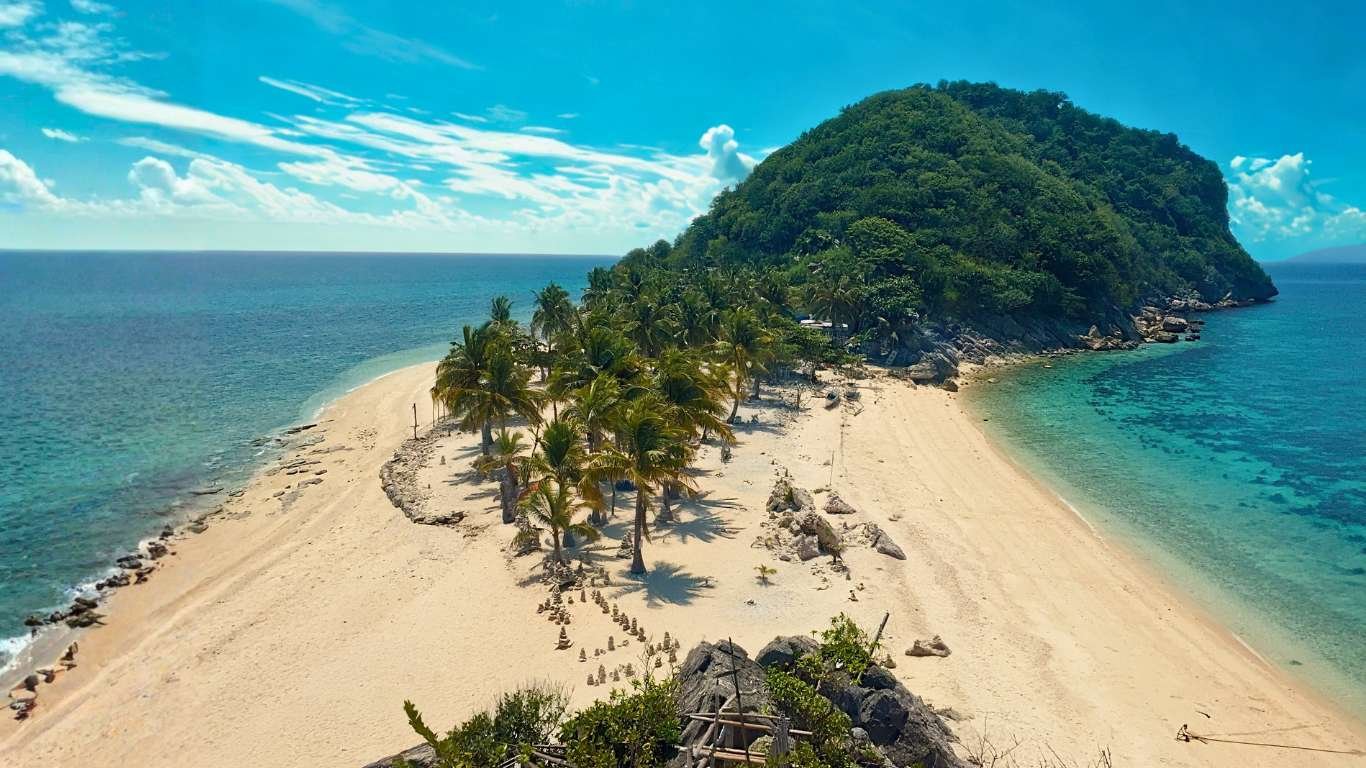
Gigantes Island hopping is a boat-based experience connecting beaches, sandbars, lagoons, limestone scenery, and small islands around the Gigantes group in Carles, Iloilo. A typical trip may include Cabugao Gamay Island, Bantigue Island and Sandbar, Tangke Lagoon, Antonia Point, or Ojatras Island (Pulupandan), depending on the selected package and the conditions on the travel date.
The experience is shaped by the sea rather than by a fixed sightseeing schedule. Wind, waves, tides, daylight, boat traffic, access restrictions, and maritime clearance can affect which attractions are safe to visit. Travelers should choose a currently authorized operator, complete the required tourism procedures, wear a life jacket while underway, and accept that the captain may reorder, shorten, substitute, or cancel stops when conditions become unsafe.
Why Tour A, Tour B, and Sicogon Routes Are Not Standardized
Operators commonly use the labels Tour A and Tour B to distinguish different Gigantes routes. These names are useful for marketing and comparison, but they are not standardized official itineraries. Two businesses may advertise the same tour name while offering different attractions, meals, fees, departure times, or land activities.
Tour A is generally described as the more marine-focused option. It may include a combination of island landings, swimming stops, a lagoon, and a sandbar. Possible attractions include Cabugao Gamay, Tangke Lagoon, Bantigue Island and Sandbar, Antonia Point, Ojatras Island (Pulupandan), or Cabugao Dako.
Tour B may combine boat attractions with selected land stops on Gigantes Sur. Operator-defined additions can include the 360 Viewpoint, Pahuwayan Landscape, the Dragon Fruit Farm, community areas, or other trails. Because the land portion may involve heat, mud, slopes, and uneven paths, guests should ask about walking requirements before booking.
A combined Sicogon–Gigantes route covers a wider area and may operate only on selected dates or when a minimum number of shared-tour passengers is reached. It may require an earlier departure and more time on open water. Possible Sicogon-related stops should be listed clearly because a beach visit, resort-area access, Mt. Opao hike, or Tumaquin Islet stop are not automatically included.
| Route Label | Usual Focus | What to Confirm |
|---|---|---|
| Tour A | Beaches, lagoon, sandbar, swimming, and offshore islands | Actual landings, pass-by stops, lunch, fees, and tide-related substitutions |
| Tour B | Boat attractions plus selected Gigantes Sur land stops | Walking distance, footwear, shade, toilets, and rain alternatives |
| Sicogon–Gigantes | A wider route covering separate island areas | Minimum passengers, earlier departure, exact Sicogon stops, fees, and expected return |
Compare the actual written itinerary instead of choosing a package solely by its label. Travelers interested in the commonly offered marine route can review the Gigantes Island Hopping Tour A guide, while those considering land attractions can read the Gigantes Island Hopping Tour B guide.
Official Bancal Entry and Tourism-Registration Requirements
Bancal Port in Barangay Bancal, Carles, is designated under Municipal Ordinance No. 2016-03 as the official entrance and exit point and gateway to the municipality’s island destinations. Visitors normally complete the current tourism procedures through the Bancal Tourism Office before proceeding to authorized attractions.
The Tourism Pass is issued through the tourism office for authorized tourist entry to designated destinations. Depending on the operating arrangement, guests may also need to provide passenger information, settle documented charges, attend a briefing, and wait for the operator’s boarding instructions and maritime clearance.
Use only currently accredited, recognized, and authorized tourism enterprises, guides, and boat operators. Verify the provider’s present operating status before making payment. An old directory, social-media page, or previous customer review is not enough to prove that a business remains authorized for the current travel date.
Obtain a written booking confirmation showing:
- The registered business name and actual boat operator
- The exact meeting point and reporting time
- The itinerary and possible substitute stops
- The boat type and authorized passenger capacity
- Included and excluded fees
- Meal and drinking-water arrangements
- Payment, cancellation, refund, and rebooking terms
- The weather and shortened-route policy
Review the Bancal Port guide for more information about registration, Tourism Pass procedures, passenger details, luggage, boarding, and weather-related delays.
Official Destinations Versus a Guaranteed One-Day Checklist
The Carles Tourism Office materials feature 13 destinations across the broader Carles island area:
- Tangke Lagoon
- Cabugao Gamay Island
- Cabugao Dako Island
- Bantigue Island and Sandbar
- Antonia Point
- Ojatras Island (Pulupandan)
- Mini Boracay (Calumpang)
- Tinagong Bay-Bay (Dakong Bay-Bay)
- Century-Old Lighthouse
- Sicogon Island
- Tumaquin Islet
- Mt. Opao
- Sicogon’s Lagoon Eco-Trail
This list introduces the range of destinations within Carles, but it is not a guaranteed one-day checklist. The attractions are spread across different islands and route clusters. Some are marine stops, some require land transportation, some involve hiking, and others may depend on resort access, local permissions, tides, or separate operating arrangements.
Tangke Lagoon access can depend on water level, waves, and the safest method of transferring from the boat. Bantigue Sandbar changes in shape and exposed area with the tide. Cabugao Gamay may have controlled climbing time when several groups arrive together. Mt. Opao requires a guided hiking arrangement rather than a quick beach landing.
A responsible operator does not force the boat to complete an advertised list when the route becomes unsafe. The captain and authorized guide may alter the sequence, replace a destination, reduce landing time, or return early because of wind, waves, tide, visibility, daylight, crowding, or official instructions.
Use the Gigantes Island attractions guide to understand the official names, common search variations, physical demands, and access considerations for individual stops.
Safe Boarding, Wet Landings, and Crew Instructions
Boarding conditions vary throughout a Gigantes Island hopping trip. Passengers may use a fixed port area, a narrow gangway, a beach landing, or a transfer point with wet and uneven surfaces. At some attractions, the boat may not be able to move directly against the beach, requiring guests to step into shallow water.
Keep both hands free while entering or leaving the boat. Secure phones, cameras, and small belongings inside a dry bag before boarding. Do not rush to claim a seat, stand on the side of the vessel, or jump between the boat and shore without instructions.
Strapped sandals or water shoes are safer than loose slippers. They provide better control on wet steps, rocks, sand, and shallow-water landings. Loose footwear can slip, float away, or become caught while boarding.
Basic Boarding Practices
- Wait until the crew gives permission to move.
- Use handholds and accept assistance when offered.
- Keep children beside a responsible adult.
- Step where the crew directs rather than choosing your own route.
- Avoid carrying several loose items in your hands.
- Remain seated while the boat is moving when instructed.
- Keep aisles, exits, and movement areas clear of luggage.
Travelers with limited mobility, balance concerns, pregnancy, heart conditions, or other medical needs should discuss boarding assistance before booking. A private boat may provide greater control over pacing, but it does not make a dangerous landing safe.
Life Jackets, Passenger Capacity, and Boat Safety
Every passenger should have an appropriate life jacket before departure. Children require properly sized jackets and must remain supervised near boats, beaches, viewpoints, and swimming areas. A discounted child fare does not remove the need to count the child in safe passenger planning.
Ask the operator for the boat’s maximum authorized passenger count and the number of guests expected on the trip. Capacity should account for passengers and luggage without blocking exits or limiting safe movement. Overloading should never be accepted.
Life jackets should remain fastened while the boat is underway and whenever the crew requires them. Non-swimmers may also benefit from keeping a life jacket on near shorelines and during approved water activities.
The captain controls the safe route. Passengers should not pressure the crew to continue toward a closed lagoon, rough crossing, crowded landing, or unsafe sandbar merely because it appeared in an advertisement.
Sun Exposure and Heat on Open Water
Sun exposure can be intense during Gigantes Island hopping because light reflects from the sea and shade may be limited aboard smaller boats and at sandbars. Even a cloudy day can result in sunburn after several hours outdoors.
Apply reef-conscious sun protection before departure and reapply according to the product instructions, especially after swimming. Wear a lightweight long-sleeved layer for extended boat travel and use a hat that can be secured in the wind. Loose hats can blow into the water or toward another passenger.
Bring sufficient drinking water and take regular sips rather than waiting until you feel very thirsty. Headache, dizziness, weakness, nausea, confusion, and unusually heavy fatigue may be signs of heat-related illness. Inform the guide promptly instead of trying to complete a climb or swimming stop while unwell.
Small islands and sandbars may have little or no dependable shade. Do not assume that every stop has shops, sheltered seating, toilets, or freshwater.
Motion Sickness and On-Water Comfort
People prone to motion sickness should use their usual preventive measures before departure. Waiting until symptoms become severe can make the rest of the boat trip difficult.
Sit where the crew recommends, face forward when possible, and avoid reading or staring at a phone while the vessel is moving. Eat a suitable light meal before the trip rather than boarding extremely hungry or immediately after a heavy meal.
Medication that causes drowsiness should be used only according to professional advice and the traveler’s prior experience. Guests should inform the guide if they become severely dizzy, unusually sleepy, dehydrated, or unable to remain safely seated.
Dry Bags and On-Water Essentials
Sea spray, rain, wet landings, and swimming can damage valuables even when a bag is never fully submerged. Place phones, identification, cash, medicine, and booking records inside waterproof pouches or a properly closed dry bag.
A practical boat-day bag should contain:
- Philippine pesos in smaller denominations
- Personal medicine and basic first-aid items
- Drinking water
- Sun protection
- A secured hat
- Light long-sleeved clothing
- Secure sandals or water shoes
- Towel and dry clothes
- Waterproof phone and document storage
- Motion-sickness supplies normally used by the traveler
Leave large hard-shell luggage at an accommodation or approved mainland storage area when possible. Boat space is limited, and large bags are difficult to handle during wet or uneven transfers.
Responsible Swimming and Snorkeling
Swimming and snorkeling should occur only where the crew permits and where conditions match the traveler’s ability. Notify the guide before entering the water, even when the area appears calm.
Stay inside the boundary identified by the crew. Boat lanes, depth, currents, waves, coral, and rocky sections may change beyond the approved area. Non-swimmers should keep a life jacket on, and children should remain within reach of a responsible adult.
Responsible snorkeling includes the following:
- Do not stand or walk on coral.
- Do not chase, feed, touch, or trap marine animals.
- Do not collect shells, coral fragments, rocks, or sand.
- Do not enter the water without notifying the guide.
- Do not swim near moving boats or working propellers.
- Do not continue snorkeling when visibility, current, or fatigue becomes unsafe.
Visitors must not remove sand, pebbles, rocks, shells, coral, plants, wildlife, or other natural resources from Carles. This prohibition applies to beaches, sandbars, lagoons, caves, marine areas, and island attractions. Take photographs and leave the natural environment intact.
Pre-Departure Gigantes Island Hopping Checklist
- Verify the current authorization and operating status of the provider.
- Confirm the exact Bancal meeting point and reporting time.
- Obtain the written itinerary, inclusions, fees, and weather policy.
- Ask about boat type, passenger capacity, and life-jacket sizes.
- Bring secure footwear, drinking water, sun protection, and dry clothes.
- Protect cash, medicine, phones, and documents from water.
- Discuss mobility, medical, pregnancy, or motion-sickness concerns in advance.
- Follow the captain’s route and crew instructions.
- Enter the water only in approved areas.
- Leave shells, sand, coral, wildlife, and other natural resources untouched.
Book your Gigantes Island hopping experience at GigantesIsland.com/book, or visit GigantesIsland.com/frequently-asked-questions to learn more about routes, registration, boat safety, weather, and responsible island travel.
