
Gigantes Island Hopping Tour B: Land Attractions, Trails, and Island Hopping
Plan Gigantes Island Hopping Tour B with Gigantes Sur trails, viewpoints, farm visits, mobility tips, weather alternatives, and safety rules.
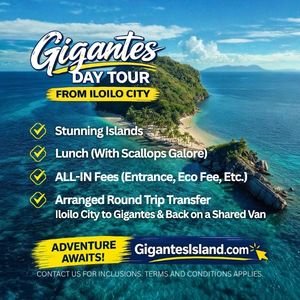
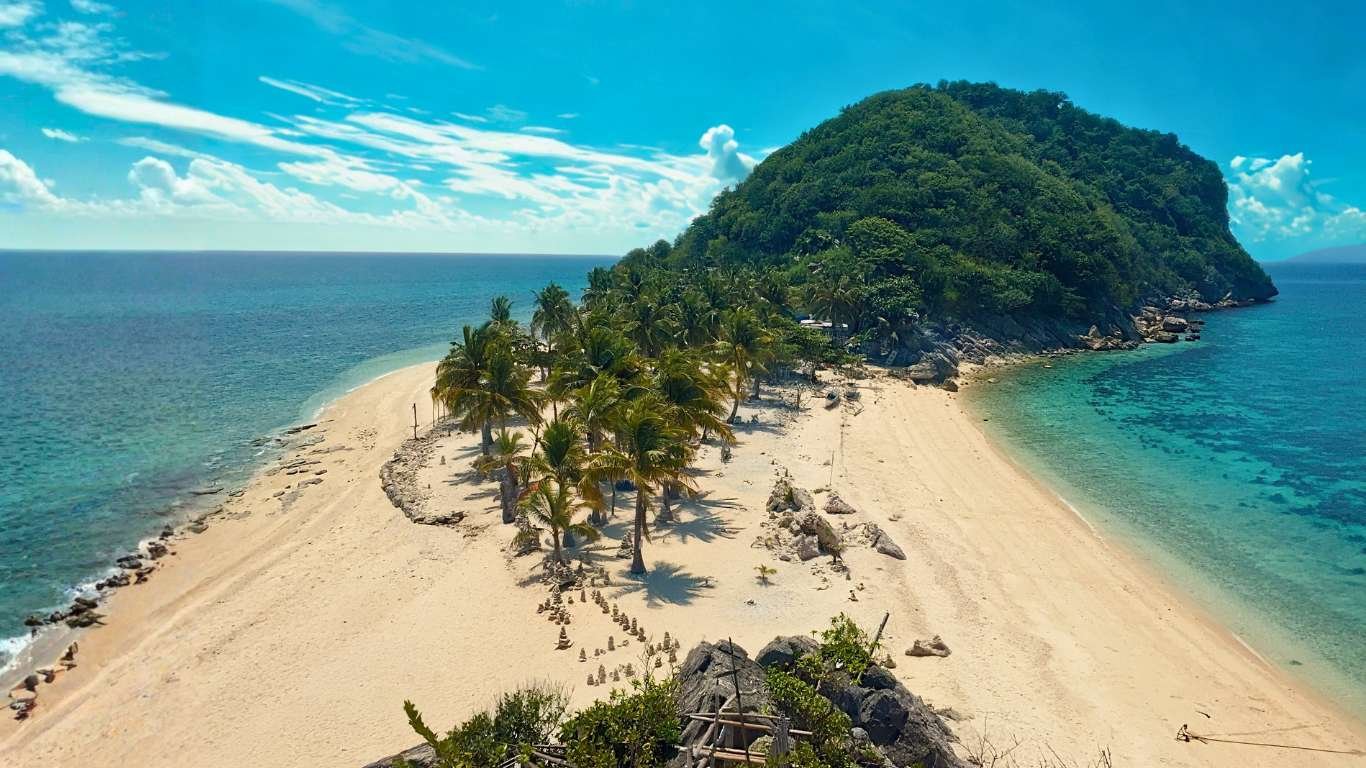
Gigantes Island Hopping Tour B usually combines the marine scenery of Gigantes Island with selected land attractions on Gigantes Sur. Depending on the operator and travel date, a Tour B-style itinerary may include well-known boat stops such as Tangke Lagoon and Cabugao Gamay Island together with the 360 Viewpoint, Pahuwayan Landscape, Dragon Fruit Farm, or another land, beach, or island stop.
The important point is that Tour B is an operator-defined product rather than an official standardized itinerary. Different providers can use the same name for different combinations of attractions. Travelers should therefore obtain the actual stop list, walking requirements, inclusions, fees, meeting point, and weather policy in writing before booking.
Tour B can also be more physically demanding than a primarily boat-focused route because guests may walk uphill, cross grassy or muddy ground, or spend additional time under direct sun. The guide and boat captain may reorder, shorten, substitute, or cancel stops when tides, weather, trail conditions, daylight, maritime clearance, or group circumstances make the original plan unsuitable.
* Book Now, Pay Reservation Later, Balance on Your Tour Date. Terms and Conditions Apply. Subject to Availability.
How Tour B Combines Gigantes Sur Land Stops With Boat Attractions
The main appeal of Island Hopping Tour B is variety. Instead of spending almost the entire day moving between beaches, islands, sandbars, and lagoons, the itinerary can include selected land experiences on Gigantes Sur.
| Possible Stop | Type of Experience | Main Planning Issue |
|---|---|---|
| Tangke Lagoon | Official marine attraction | Tide, waves, weather, and safe boat access |
| Cabugao Gamay Island | Official island and viewpoint attraction | Crowding, sun exposure, and secure footwear |
| 360 Viewpoint | Operator-defined Gigantes Sur land stop | Uphill walking, heat, mud, wind, and fitness |
| Pahuwayan Landscape | Operator-defined scenic land stop | Open sun, grassy paths, mud, and community-managed access |
| Dragon Fruit Farm | Operator-defined agricultural stop | Uneven paths, cultivated areas, seasonal farm conditions |
| Additional beach or island | Operator-dependent | Exact location and current access must be confirmed |
The exact sequence can change during the day. A marine attraction may be visited before the land portion because of tide conditions, while another stop may be moved later because several groups are already there.
Official Destinations Versus Operator-Defined Viewpoints, Farms, and Landscapes
Travelers should understand the distinction between the official Carles Tourism destination framework and additional attractions included by individual operators.
Tangke Lagoon and Cabugao Gamay Island are among the destinations featured in the official Carles Tourism materials. The 360 Viewpoint, Pahuwayan Landscape, Dragon Fruit Farm, Pawikan Cave, and similar Gigantes Sur land stops are additional operator-defined possibilities and are not part of the official 13-item destination display.
That does not make the additional attractions less worthwhile. It simply means visitors should not assume that they are standardized municipal tour stops or automatically included in every Tour B package.
Confirm each attraction by name before payment.
Possible Marine Stops on Tour B
Even though Tour B emphasizes the land side of Gigantes Sur, it is still commonly combined with boat attractions.
Tangke Lagoon
Tangke Lagoon is an official Carles attraction consisting of a saltwater lagoon enclosed by limestone or karst formations. Access can depend heavily on current tide, waves, weather, and boat conditions.
If the captain determines that entering or landing is unsafe, Tangke may be shortened, viewed differently, replaced, or removed from that day's route. Read the Tangke Lagoon guide for more detailed access and safety information.
Cabugao Gamay Island
Cabugao Gamay is one of the best-known attractions in Gigantes and is widely called the “selfie island.” Its beach, limestone landscape, and elevated viewing area make it a natural complement to the less familiar Gigantes Sur land attractions.
The viewpoint can become crowded and hot, so secure footwear and patience are useful. See the Cabugao Gamay Island guide for detailed visitor planning.
360 Viewpoint: Expect an Actual Walk
The 360 Viewpoint is an elevated Gigantes Sur attraction commonly included on selected Tour B-style routes. The trail should not be described merely as another sightseeing stop because visitors may need to walk uphill over natural terrain.
Actual difficulty depends on:
- Recent rain
- Mud
- Heat
- Wind
- Footwear
- Personal fitness
- Balance and mobility
Some visitors may stop at the main photo marker rather than continuing to a higher section. The guide should determine how far the group can safely proceed.
Travelers considering this stop can review the Gigantes Sur 360 Viewpoint guide.
Pahuwayan Landscape: Open Ground and Limited Shade
Pahuwayan Landscape provides broad grassy scenery, limestone backdrops, and views across parts of Gigantes Sur and nearby islands. It offers a striking contrast with the beaches and lagoon stops, but the area may involve exposed walking with little dependable shade.
After rain, paths can become muddy or slippery. Parts of the route may also cross community-managed or cultivated land, so visitors should remain with the guide, use approved paths, and avoid opening gates or entering fenced sections independently.
Read the Pahuwayan Landscape guide before choosing footwear and preparing for the land portion.
Dragon Fruit Farm: A Working Agricultural Stop
The Dragon Fruit Farm is another possible Gigantes Sur Tour B stop. Visitors may see climbing cactus plants, flowers, immature fruit, harvested sections, or ripe fruit depending on season, weather, and current farm operations.
A tasting should never be assumed. The purpose of the visit is to see local cultivation, and fruit should not be picked without the grower's permission.
Paths may be hot, muddy, or uneven, and cactus plants can have spines or rough surfaces. Stay on the designated route and avoid handling crops unless invited.
See the Gigantes Dragon Fruit Farm guide for visitor etiquette and farm-access planning.
Walking Distance Should Be Explained Before Booking
A Tour B package should not be advertised only as “island hopping” when significant walking is involved. Guests need enough information to decide whether the route suits their fitness and mobility.
Before Booking, Ask About Each Land Stop:
- Approximate walking duration
- Whether the path is uphill or mostly level
- Whether stairs or steep sections are involved
- Current trail condition
- Availability of shade
- Whether there are toilets
- Whether visitors can skip the climb
Descriptions such as “easy” or “moderate” are less useful than actual information about the route. A short walk can become much harder under strong midday sun or after heavy rain.
Footwear, Heat, Mud, and Mobility Disclosure
Secure footwear is more important on Tour B than on a simple beach-focused itinerary. Closed shoes or secure footwear with useful traction can improve stability on grassy, muddy, rocky, or inclined sections.
Loose slippers may be uncomfortable or unsafe when walking uphill or descending wet ground.
Useful Land-Tour Preparation
- Secure footwear with useful grip
- Drinking water
- Sunblock
- A securely fitted hat
- Light rain protection
- Insect repellent when appropriate
- Essential personal medication
- A compact waterproof day bag
Travelers with limited mobility, balance concerns, knee problems, or another condition that could affect climbing should tell the operator before booking rather than waiting until the group reaches the trail.
Do Not Assume Toilets, Shade, or Drinks at Every Land Stop
Gigantes Sur land attractions can have basic or limited visitor facilities. Travelers should not assume that each viewpoint, farm, or landscape stop has toilets, food stalls, bottled-water vendors, or covered waiting areas.
Use available facilities when the guide recommends them and carry enough drinking water for the land portion.
A light rain layer can also be useful, but large luggage should be avoided. Tour B already involves repeated transfers between boat, land transport, trails, and beaches.
Rain Can Affect Land and Marine Stops Differently
One of the most important Tour B considerations is that the land and marine portions can have different safety conditions on the same day.
For example, sea conditions may remain acceptable for island hopping while recent rain has made a hill trail muddy and unsafe. In that situation, cancelling the land attraction while continuing with a safe marine route can be the responsible choice.
Possible Rain-Based Changes Include:
- Skipping a muddy viewpoint
- Replacing a hill stop with a beach
- Shortening a land walk
- Changing the attraction order
- Using a safer alternative route
- Removing a cave or steep trail while continuing the boat tour
These substitution rules should be explained in the booking terms rather than decided only after a disagreement develops at the destination.
The Guide and Captain Have Different Safety Responsibilities
Tour B involves both land and marine conditions. The boat captain determines whether the sea route and landings are safe, while the local guide assesses the practical condition of trails and land attractions.
Either may need to change the planned itinerary because of:
- Wind
- Waves
- Tides
- Thunderstorms
- Muddy trails
- Poor visibility
- Maritime clearance
- Available daylight
- Group fitness or pace
Passengers should not attempt an unauthorized trail, cave, or landing after the guide or captain has cancelled it.
Safe Waiting Arrangements for Guests Who Skip a Climb
Not every traveler will want or be able to join every land attraction. A responsible Tour B arrangement should explain what happens when someone chooses to skip a climb.
A guest should not simply be left alone at an unfamiliar landing area without an agreed plan.
Before the Group Separates, Confirm:
- Where the non-hiker will wait
- Whether the waiting area is safe and appropriate
- Whether a guide, coordinator, crew member, or responsible companion remains nearby
- How long the climbing group is expected to be away
- Where everyone will meet afterward
- What happens if the climbing group is delayed
Families should also decide who remains with a child, older traveler, or guest who requires assistance.
Bancal Port Is the Official Gateway
Bancal Port in Barangay Bancal, Carles, is designated under Municipal Ordinance No. 2016-03 as the official entrance and exit point and gateway to the municipality's island destinations.
Travelers must allow time for current tourism procedures before authorized island travel. Depending on current requirements, these may involve passenger verification, Tourism Pass procedures, documented fees, safety instructions, boat assignment, life jackets, loading, and maritime clearance.
Do not arrive at Bancal expecting to board immediately simply because a tour advertisement gives a departure time.
Use Currently Accredited and Authorized Providers
Visitors should use tourism enterprises and operators that are currently accredited by the Department of Tourism where required and duly recognized and registered by the Municipality of Carles.
Provider status can change, so an old advertisement or directory should not be treated as proof of current authorization.
Before Payment, Request:
- Name of the actual operating provider
- Exact Tour B stop list
- Shared or private boat arrangement
- Passenger capacity
- Meeting and reporting point
- Tour inclusions and exclusions
- Current fees
- Meal arrangement
- Weather and substitution policy
- Cancellation, refund, and no-show terms
Life Jackets and Safe Boat Travel Still Apply
Adding land attractions does not reduce the importance of marine safety. Every passenger should have access to an appropriate life jacket and follow the crew's instructions while underway and during landings.
Passengers should also disclose significant medical or mobility conditions before boarding so the operator can explain whether the day's boat transfers and land walks are suitable.
Strong swimmers should still follow life-jacket and swimming-zone instructions. Confidence in the water does not override current safety procedures.
Pack Light for Repeated Boat and Land Transfers
Tour B can involve more transitions than a simple marine route. Large luggage becomes inconvenient when passengers repeatedly move between boat, shore, local transport, and trails.
When possible, leave large suitcases at an accommodation or approved secure mainland storage and bring only a compact day bag.
Useful Day-Bag Items
- Drinking water
- Sun protection
- Light rain layer
- Essential medication
- Cash in useful denominations
- Identification where needed
- Phone or camera
- Waterproof pouch or dry bag
Protect electronics even during the land portion because sudden rain and wet boat transfers can occur later in the day.
Protect the Land and Marine Environment
Visitors should leave both marine and land attractions as they found them. Municipal tourism rules prohibit the collection or extraction of natural materials such as sand, pebbles, rocks, shells, and similar resources.
Responsible Tour B Behavior Includes:
- Do not remove shells, rocks, plants, or other natural materials.
- Do not leave litter.
- Stay on established land paths.
- Do not enter cultivated areas without permission.
- Do not damage coral or marine life.
- Do not create graffiti on rocks or cave surfaces.
- Ask before photographing residents in community areas.
Gigantes Island Hopping Tour B Booking Checklist
- Ask for the actual Tour B itinerary in writing.
- Remember that Tour B is an operator-defined product.
- Confirm which marine attractions are included.
- Confirm which Gigantes Sur land stops are included.
- Distinguish official Carles destinations from operator-added attractions.
- Ask how much walking is required at every land stop.
- Confirm whether trails are steep, exposed, muddy, or uneven.
- Disclose important mobility or medical concerns before booking.
- Wear suitable footwear.
- Bring drinking water and sun protection.
- Do not assume toilets, shade, or food are available at every land stop.
- Ask what happens when rain makes a hill or cave unsafe.
- Confirm the alternative attraction or substitution policy.
- Ask where non-hikers wait and who remains responsible for them.
- Confirm the Bancal reporting time and meeting point.
- Use a currently authorized operating provider.
- Confirm boat capacity and life-jacket arrangements.
- Carry only a light day bag.
- Keep electronics and medicine in waterproof protection.
- Accept guide and captain decisions when conditions require a route change.
Choosing Tour B for the Right Kind of Gigantes Experience
Gigantes Island Hopping Tour B works well for travelers who want more than a sequence of beaches and boat stops. It can combine the limestone and turquoise-water scenery associated with Gigantes Island with the trails, farms, grassy landscapes, viewpoints, and communities of Gigantes Sur.
That variety also requires more preparation. Travelers should know how much walking is involved, choose suitable footwear, carry water, disclose mobility concerns, and understand that a safe alternative may replace a hill or cave after rain even when the boat portion of the tour can continue.
Plan the wider route with the Gigantes Island travel guide before confirming your Tour B schedule.
Book your Gigantes Island hopping experience at GigantesIsland.com/book, or visit GigantesIsland.com/frequently-asked-questions to learn more.
