
Gigantes Island Hopping Tour A: Possible Stops, Inclusions, and Safety
Plan Gigantes Island Hopping Tour A with possible stops, Bancal registration, meals, fees, life jackets, shared-tour rules, and weather planning.
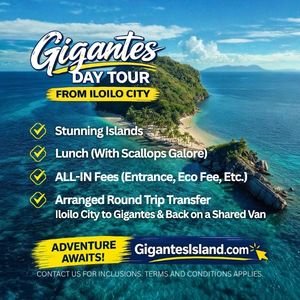
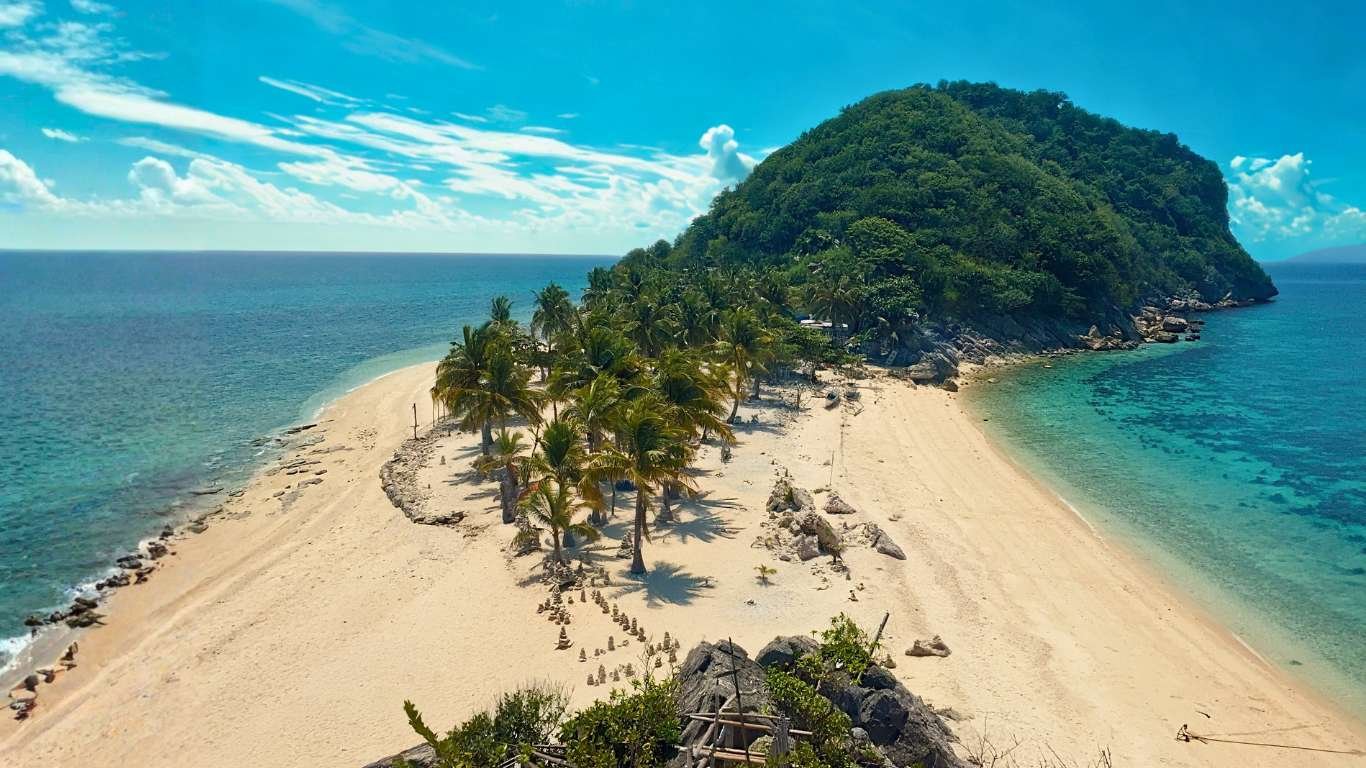
Gigantes Island Hopping Tour A is generally marketed as the more boat-focused way to explore the Gigantes Islands in Carles, Iloilo. Depending on the operating provider and conditions on the travel date, possible stops may include Cabugao Gamay Island, Tangke Lagoon, Bantigue Island and Sandbar, Antonia Point, Ojatras Island (Pulupandan), and a designated lunch stop. Selected itineraries may also include another attraction such as Mini Boracay (Calumpang).
Tour A should not, however, be treated as a standardized government itinerary. The name is used commercially by tour operators, and the actual stop list can differ by provider, date, weather, tide, group schedule, and access conditions. Travelers should request the planned route and inclusions in writing before paying rather than assuming that every advertisement using the words “Tour A” provides exactly the same experience.
The captain also retains control over the safe route. An advertised stop can be reordered, shortened, substituted, or removed when wind, waves, tide, daylight, maritime clearance, port instructions, or passenger conditions make the original plan impractical or unsafe.
* Book Now, Pay Reservation Later, Balance on Your Tour Date. Terms and Conditions Apply. Subject to Availability.
What Is Gigantes Island Hopping Tour A?
Tour operators commonly distinguish between Tour A and Tour B by the character of the itinerary. Gigantes Island Hopping Tour A is generally the more marine-oriented option, with much of the day spent traveling by boat among beaches, sandbars, islands, and lagoon scenery.
Tour B-style packages may add more land attractions on Gigantes Sur, such as viewpoints, caves, farms, or landscapes. These labels remain operator-defined, so the best way to compare packages is to look at the exact written stop list instead of the tour name alone.
For a broader comparison of shared, private, Tour A, and Tour B arrangements, see the Gigantes Island tour guide.
Typical Marine Stops Using Official and Common Attraction Names
Carles Tourism materials provide official names for the municipality's featured attractions. Tour operators and travelers may also use common search names, so understanding both can prevent confusion when comparing itineraries.
| Official or Preferred Name | Common Tour or Search Name | Typical Experience |
|---|---|---|
| Cabugao Gamay Island | Cabugao Gamay, Selfie Island | Beach scenery and the well-known elevated photo viewpoint |
| Tangke Lagoon | Tangke Saltwater Lagoon | Limestone-enclosed saltwater lagoon experience, subject to safe access |
| Bantigue Island and Sandbar | Bantigue Sandbar | Sandbar and coastal scenery affected by tide and sea conditions |
| Antonia Point | Antonia Beach | White sand, swimming when conditions permit, and distinctive layered rock formations |
| Ojatras Island (Pulupandan) | Pulupandan, Pulo Pandan | Small-island scenery with creamy-white sand and turquoise water |
| Mini Boracay (Calumpang) | Mini Boracay | Fine-white-sand beach that may appear only on selected itineraries |
These are possible Tour A stops rather than a guaranteed checklist. The fact that an attraction appears in Carles Tourism materials does not mean every boat must visit it during every tour.
Cabugao Gamay Island
Cabugao Gamay is the most recognizable photo stop in the Gigantes group and is widely known as the “selfie island.” Its narrow central section, tropical vegetation, limestone ends, surrounding water, and elevated viewing area have made it a familiar image associated with Gigantes and Iloilo travel.
The climb to the photo area is short compared with a major hike but may still be hot, crowded, slippery, or uncomfortable for some visitors. Wear secure footwear and follow current site instructions rather than rushing to reach the viewpoint.
When several groups arrive together, visitors should wait their turn instead of stepping onto unstable or unauthorized areas for an unobstructed photograph.
Read the Cabugao Gamay Island guide for more detailed planning.
Tangke Lagoon
Tangke Lagoon is a saltwater lagoon surrounded by limestone or karst formations. Access and the visitor experience can change with tide, sea conditions, weather, and local safety decisions.
A Tour A advertisement that includes Tangke should not be interpreted as an unconditional guarantee that the boat will enter or land there regardless of conditions. If the captain or guide determines that access is unsafe, the stop may be shortened, viewed differently, replaced, or skipped.
Visitors should follow crew instructions when transferring from the boat and use appropriate footwear for wet or uneven surfaces.
Bantigue Island and Sandbar
Bantigue is known for its long creamy-white sandbar, but a sandbar is naturally tide-dependent. Its exposed size, shape, and appearance can vary significantly during the day.
Travelers should therefore avoid judging the stop solely against a photograph taken under a different tide or weather condition.
The sand can also become intensely hot under direct sun. Footwear, drinking water, and sun protection remain useful even during a relatively short stop.
See the Bantigue Island and Sandbar guide for additional planning information.
Antonia Point, Commonly Marketed as Antonia Beach
Carles Tourism materials identify the attraction as Antonia Point, while many operators and travelers commonly call it Antonia Beach. It is known for white sand and layered stone formations that have been compared visually with stacked boulders or slices of bread.
Depending on the itinerary, it may function as a swimming, rest, meal, or sightseeing stop. Travelers should verify whether lunch is actually served here or at another designated location because meal arrangements differ among operators.
Ojatras Island (Pulupandan or Pulo Pandan)
The official tourism materials identify the attraction as Ojatras Island (Pulupandan). Tour advertisements may spell or refer to it differently, including Pulupandan or Pulo Pandan.
It is a small-island stop associated with creamy-white sand and turquoise water. As with other marine attractions, landing is subject to boat access, weather, waves, and the captain's assessment.
Using both the official and common names when confirming an itinerary helps ensure that travelers and operators are referring to the same place.
Mini Boracay May Be a Selected Inclusion
Mini Boracay in Calumpang appears in the official Carles Tourism destination list, but travelers should not assume that it is included in every Gigantes Island Hopping Tour A.
If it matters to your group, ask the provider to list it specifically in the itinerary. The same rule applies to any attraction not clearly identified in the written package.
Bancal Port Registration Before the Tour
Bancal Port in Barangay Bancal, Carles, is designated under Municipal Ordinance No. 2016-03 as the official entrance and exit point and gateway to the municipality's island destinations.
Visitors should allow enough time to complete the current tourism procedures before boat departure. Depending on the operating arrangements and current requirements, these may involve:
- Passenger verification or registration
- Tourism Pass procedures
- Documented tourism or applicable local fees
- Safety instructions
- Boat assignment
- Life-jacket preparation
- Passenger loading
- Maritime clearance
Do not plan to arrive at the port at the exact advertised boat-departure time. The group may need to complete several steps before boarding.
Review the Bancal Port guide before coordinating your road transfer.
Why the Captain Controls the Final Route
A written itinerary is important because it establishes what the provider intends to offer, but it cannot override actual marine conditions.
The captain may need to change the route because of:
- Wind
- Waves
- Tides
- Weather
- Maritime clearance
- Port instructions
- Attraction access restrictions
- Available daylight
- Passenger or group pace
A private boat does not give passengers the right to demand entry into an unsafe or closed attraction. The same safety restrictions apply to both shared and private tours.
Shared-Tour Waiting Policies and Passenger Reporting Deadlines
A shared Tour A operates around a group schedule. One passenger arriving late can affect everyone else, particularly when tourism procedures still need to be completed before the group boards.
Before booking a shared departure, ask the provider to explain the reporting and waiting policy.
Confirm:
- Exact meeting point
- Required reporting time
- Expected registration time
- Latest acceptable passenger arrival
- How long the group waits for a late guest
- Whether a late passenger can be left behind
- What happens to the payment of a no-show or late passenger
Passengers should not assume that an entire shared boat will wait indefinitely because one person is delayed at a hotel or still traveling from Iloilo City.
What Does “All-In” Actually Include?
Tour advertisements sometimes use phrases such as “all-in,” but the phrase should not replace a detailed written inclusion list.
A traveler should know exactly what is and is not supplied.
| Item | What to Ask |
|---|---|
| Boat | Shared or private, boat type, passenger capacity, and operating provider |
| Life jackets | Whether an appropriate life jacket is available for every passenger |
| Lunch | Whether included, where served, and how dietary needs are handled |
| Drinking water | Whether supplied and how much is provided per guest |
| Towels | Whether provided or guests must bring their own |
| Snorkeling masks | Whether included, rented separately, or not offered |
| Dry storage | Whether dry bags or waterproof containers are supplied |
| Entrance/environmental fees | Which current documented fees are included or payable separately |
If an item is important to you, get written confirmation instead of inferring it from the package name.
Meals and Dietary Requirements
Gigantes tour meals commonly feature Filipino shared dishes, rice, and locally available seafood. Travelers with allergies or dietary restrictions should inform the operator before the tour date.
Report in Advance:
- Shellfish allergy
- Fish allergy
- Other serious food allergies
- Vegetarian requirements
- Religious dietary restrictions
- Food requirements for children
- Medical dietary needs
A remote lunch location may not be able to prepare a replacement meal immediately when the group arrives.
Drinking Water Should Be Confirmed, Not Assumed
Ask how much drinking water is included. A single small bottle may not be enough for a full day of boat travel under tropical sun.
Travelers can bring additional personal water when needed. Use refillable containers where practical and secure light packaging so it does not blow overboard.
Towels and Snorkeling Equipment
Do not assume towels or snorkeling masks are supplied simply because the package is advertised as complete.
If snorkeling equipment is provided, check what is included and whether it is shared, sanitized, rented, or assigned individually. Travelers who prefer their own properly fitting mask may wish to bring one when allowed by the operator.
A lightweight quick-dry towel is also useful when towels are not included.
Bring Your Own Waterproof Protection When Needed
Even if the boat has a covered section, bags can still be exposed to spray, rain, wet passengers, and wet landings.
Protect:
- Phone
- Camera
- Cash
- Identification
- Medication
- Power bank
- Travel documents
A dry bag or sealed waterproof pouch is one of the most practical items for a Gigantes boat tour.
Life Jackets and Crew Instructions
Every traveler should have access to an appropriate life jacket, and passengers should wear or use it as directed by the boat crew.
Travelers do not need to be strong swimmers simply to remain aboard the boat or enjoy beach stops. However, being comfortable around water does not replace the need for life jackets, crew instructions, and designated swimming areas.
Passengers should never jump from the boat or enter the water merely because another group is doing so.
Medical Conditions Should Be Disclosed Before Boarding
Travelers with a medical condition that may affect boat travel should inform the operator before departure. The purpose is not to exclude someone automatically, but to allow the crew and guide to understand what assistance may be required.
Relevant concerns can include:
- Severe motion sickness
- Heart or respiratory conditions
- Mobility limitations
- Balance problems
- Serious allergies
- Need for essential medication
Prescription or emergency medicine should remain accessible throughout the day rather than packed in luggage left elsewhere.
Mobility and Wet Landings
Some attractions can involve stepping between a moving boat and shore, wading through shallow water, walking over sand, or crossing uneven surfaces.
Guests with limited mobility should ask before booking:
- How passengers normally board and disembark
- Whether crew assistance is available
- Which stops involve wading
- Whether a passenger can remain safely on the boat during an unsuitable landing
- Which attractions have uneven or slippery access
The exact conditions may change with tide and weather, so the operator should describe the current situation close to the travel date.
Large Luggage Should Usually Stay on the Mainland
Boat space is limited, particularly on shared tours. Large suitcases can take up passenger space, complicate boarding, and become wet from spray even when they are never submerged.
When practical, leave large luggage at:
- Your mainland accommodation
- An approved luggage-storage arrangement
- Another secure location confirmed by the operator
Bring only a compact day bag containing what you need for island hopping.
Useful Day-Bag Items
- Water
- Sun protection
- Quick-dry towel if not provided
- Cash in smaller denominations
- Identification where required
- Essential medicine
- Phone or camera
- Waterproof storage
Use Currently Accredited and Authorized Providers
Carles tourism guidance requires visitors to use currently accredited, recognized, and authorized tourism enterprises, tour operators, guides, accommodations, and boat operators.
Provider lists can become outdated, so current status should be verified for the travel date rather than assumed from an older advertisement or directory.
Before making payment, identify the actual tourism business responsible for the service and obtain written booking details.
Cancellation and Weather-Refund Terms
Ask what happens when the tour cannot proceed as originally planned.
The Written Policy Should Explain:
- Guest-initiated cancellation
- Operator cancellation
- Weather-related cancellation
- Maritime or port restrictions
- Rescheduling
- Partial itinerary changes
- Refunds or credits where applicable
- Late arrival and no-show treatment
A route modification during an operating tour is not necessarily the same as complete cancellation. Travelers should understand how the operator handles each situation before booking.
Gigantes Island Hopping Tour A Booking Checklist
- Confirm that Tour A is the actual product being booked.
- Request the full planned stop list in writing.
- Use official attraction names where possible.
- Confirm any common names such as Antonia Beach or Pulo Pandan.
- Ask whether Mini Boracay is specifically included.
- Confirm the exact Bancal meeting point and reporting time.
- Allow time for current tourism registration procedures.
- Verify the currently authorized operating provider.
- Ask whether the boat is shared or private.
- Confirm maximum passenger capacity.
- Ensure an appropriate life jacket is available for each passenger.
- Ask what happens when a shared-tour passenger is late.
- Confirm whether lunch is included and where it is served.
- Report allergies or dietary restrictions in advance.
- Ask whether drinking water is provided.
- Confirm whether towels are supplied.
- Confirm whether snorkeling masks are provided or rented.
- Ask whether waterproof storage is supplied.
- Confirm which entrance, tourism, or environmental fees are included.
- Read cancellation, no-show, and weather-refund terms.
- Disclose important medical or mobility concerns before boarding.
- Carry essential medicine in waterproof protection.
- Leave large luggage in secure mainland storage when possible.
- Accept that the captain may reorder, shorten, replace, or cancel stops for safety.
Planning Tour A With the Right Expectations
Gigantes Island Hopping Tour A is appealing because it concentrates on the marine side of the destination: boats, islands, beaches, limestone scenery, a lagoon, sandbar experiences, and coastal stops. The strongest Tour A booking is not necessarily the one promising the greatest number of places. It is the one that clearly identifies the planned route, explains what the price covers, follows current Bancal procedures, respects boat capacity, and allows the captain to make safe decisions when conditions change.
Travelers who prepare for sun, spray, wet landings, flexible schedules, and limited boat storage are also more likely to enjoy the day without unnecessary complications.
Compare the attractions and practical conditions through the Gigantes Island attractions guide and the complete Gigantes Island travel guide before finalizing your itinerary.
Book your Gigantes Island hopping experience at GigantesIsland.com/book, or visit GigantesIsland.com/frequently-asked-questions to learn more.
