
(*) Gigantes Islands Philippines: Essential Planning Guide for First-Time Visitors
Plan a Gigantes Islands Philippines trip with practical advice on airports, Carles transfers, Bancal Port procedures, cash, documents, weather, and safe travel buffers.
[ADS]
* Book Now, Pay Reservation Later, Balance on Your Tour Date. Terms and Conditions Apply. Subject to Availability.
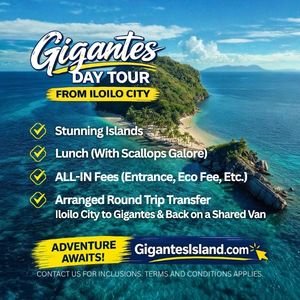
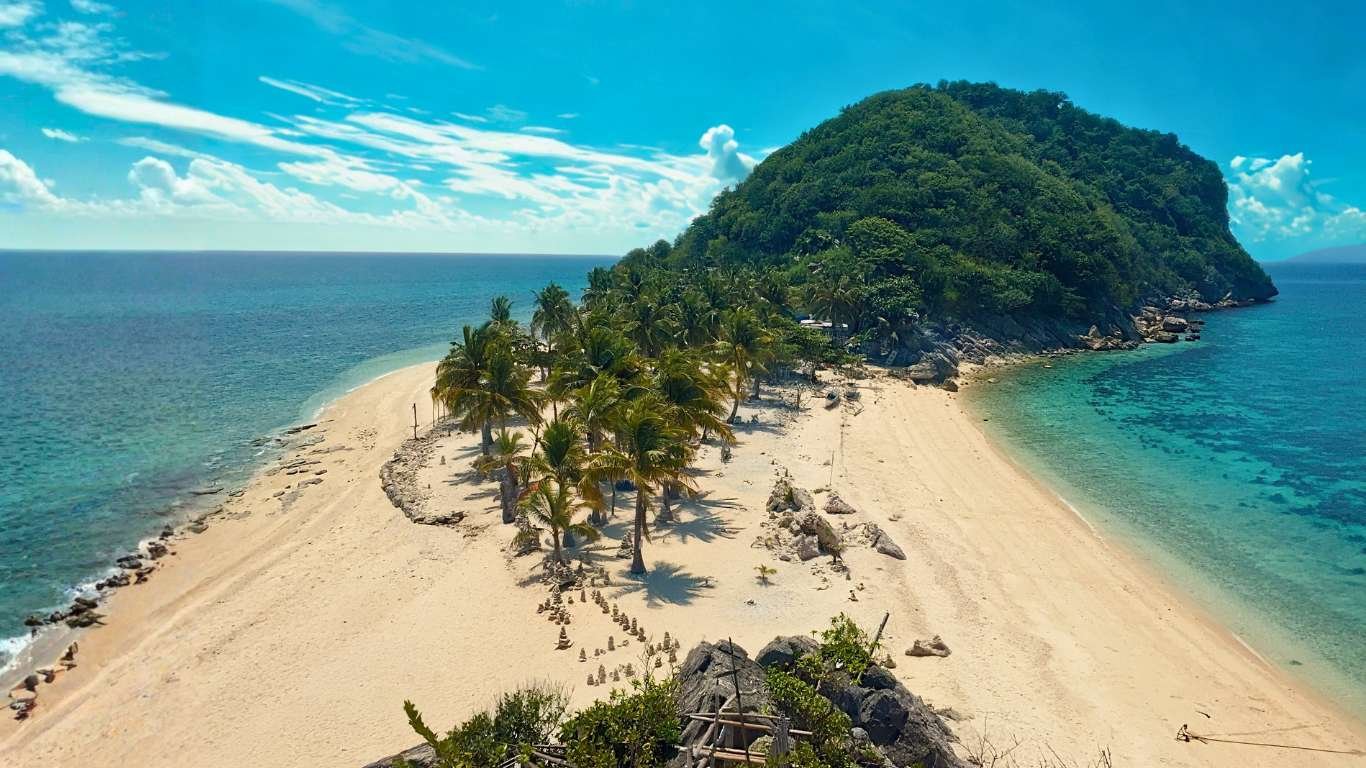
Gigantes Islands Philippines is a scenic group of inhabited islands, beaches, lagoons, sandbars, limestone formations, and smaller offshore islets in Carles, Iloilo. Located in the Western Visayas region and surrounded by the Visayan Sea, the destination is best explored through organized boat trips rather than as one self-contained resort island.
Possible tour stops may include Cabugao Gamay, Bantigue Island and Sandbar, Tangke Lagoon, Antonia Point, Ojatras Island (Pulupandan), and selected land attractions. However, no itinerary can guarantee access to every destination. Wind, waves, tide, daylight, crowding, local restrictions, and maritime clearance determine the safest route on the travel date.
International visitors usually reach the area by flying into Iloilo or another Panay gateway, continuing by road to Carles, and completing the required tourism procedures before boarding. Because several separate travel stages are involved, careful scheduling is more important than trying to arrive and begin island hopping on the same day.
Where Gigantes Is Located and How to Reach Carles From Major Gateways
The Gigantes group lies off the northeastern coast of Panay Island within the Municipality of Carles. Carles is the principal mainland gateway to the islands and is the northernmost municipality of Iloilo Province.
There is no major commercial airport on the Gigantes Islands. Every practical air itinerary still requires a road transfer to northern Iloilo and a final boat journey. A flight search that identifies a nearby airport should not be mistaken for direct access to the island-hopping area.
Many international travelers enter through Manila, Cebu, or another Philippine gateway before connecting to Iloilo. Some itineraries may also use Roxas, Kalibo, or Caticlan, depending on available flights and whether the trip includes Boracay or other destinations in Panay.
| Route | Official Approximate Distance | Planning Consideration |
|---|---|---|
| Iloilo City to Carles | Approximately 146–147 km by road | Allow for traffic, pickup points, rest stops, road conditions, and a long northbound journey. |
| Roxas City to Carles | Approximately 70 km by road | The distance is shorter, but public transport and the final connection to Bancal may require several steps. |
| Bancal Port to Langub Port, Gigantes Norte | Approximately 18 km by sea | Crossing time depends on vessel type, loading, wind, waves, routing, and maritime clearance. |
These figures are useful for understanding the scale of the journey, but they should not be converted into guaranteed travel times. A private transfer provides more control over luggage, departure time, and rest stops, while public transport may involve waiting and several vehicle changes.
Travelers arriving through Iloilo should review the flights to Gigantes Island guide and confirm whether their land transfer begins at the airport, a city hotel, or another meeting point. “Iloilo pickup” is not specific enough when the driver must distinguish between Iloilo International Airport and a property inside Iloilo City.
Official Bancal Procedures and the Final Sea Crossing
Bancal Port in Barangay Bancal, Carles, is designated under Municipal Ordinance No. 2016-03 as the official entrance and exit point and gateway to the municipality’s island destinations. This centralized arrangement is commonly described as the “One Entry, One Exit” policy.
Visitors normally complete the current tourism procedures through the Bancal Tourism Office before proceeding to authorized destinations. The Tourism Pass is issued through the tourism office for entry to designated attractions. Depending on the operating arrangement, travelers may also need to provide passenger information, settle documented charges, attend a briefing, and wait for boarding instructions and maritime clearance.
International travelers should carry identification that matches their booking details. Keep the original passport secure and bring a protected copy when appropriate. The operator should provide clear instructions on what identification must be presented during registration.
Travelers should use only currently accredited, recognized, and authorized providers. The tourism-enterprise directory published as of September 1, 2025 is a dated reference and must not be treated as proof that a business remains accredited, available, or operational on a later travel date.
Before paying, request the following in writing:
- The registered name of the actual operating provider
- The confirmed port and meeting point
- The reporting time and expected departure window
- The boat operator and passenger arrangement
- The itinerary and possible substitute stops
- Included and excluded fees
- Meal and dietary arrangements
- Payment, cancellation, refund, and rebooking terms
- The weather and maritime-clearance policy
Arrival at Bancal does not guarantee immediate departure. The captain, tourism personnel, Coast Guard, or other responsible authorities may delay, shorten, redirect, or cancel the trip when conditions are unsafe. Read the Bancal Port guide for more information about registration, luggage, passenger details, and boat departures.
What an Island-Hopping Day May Include
A typical Gigantes Island hopping experience links several marine and coastal attractions by boat. Possible stops may include beaches, sandbars, limestone scenery, swimming areas, viewpoints, and community meal stops.
Cabugao Gamay is widely recognized for its narrow beach and elevated viewpoint. Bantigue Island and Sandbar is shaped by the tide, so its exposed walking area changes throughout the day. Tangke Lagoon is a tidal saltwater lagoon enclosed by limestone walls, and access may depend on water level, wave action, and the method of transferring from the boat.
Other possible destinations include Antonia Point, commonly called Antonia Beach; Ojatras Island, identified in tourism materials as Pulupandan; Cabugao Dako; and Tinagong Bay-Bay, also identified as Dakong Bay-Bay.
These official and commonly used names help travelers understand tour descriptions, but they do not create a guaranteed route. Tour A, Tour B, private tours, shared tours, and combined Sicogon products are defined by individual operators. The final stop sequence remains subject to safety, access, and operating conditions.
Seasonal Expectations Versus Day-Specific Maritime Clearance
Drier periods may provide more favorable touring conditions, but no month guarantees calm seas or entry to every attraction. Even during a generally dry season, localized thunderstorms, strong wind, swell, changing tides, or an official maritime advisory can affect a departure.
Travelers should check the short-range local forecast and request an operator update close to departure. A seasonal climate description is useful for broad planning, but it cannot replace the decision made on the actual travel date.
Weather observed at an airport, city hotel, or inland road stop may differ from conditions along the full marine route. A sunny sky over Carles does not prove that the crossing to Gigantes Norte, an exposed sandbar, or a lagoon entrance is safe.
How to Build Weather Flexibility Into the Trip
- Stay in Iloilo or mainland Carles before the tour instead of connecting directly from an international arrival.
- Avoid placing the island tour on the final day before an important flight.
- Keep at least one flexible day when traveling during unsettled weather.
- Review cancellation and rebooking policies before paying for nonrefundable services.
- Do not pressure the captain to proceed when the route has been judged unsafe.
Travel insurance may help with some covered delays or interruptions, but it does not override the captain’s authority or an official suspension. Safety decisions must be followed regardless of insurance coverage.
Philippine Pesos, Cards, and Cash Planning
International visitors should carry sufficient Philippine pesos before proceeding to Bancal or the islands. Small tourism businesses, food vendors, boat crews, and local transport providers may not accept foreign currencies, international cards, or electronic payments.
Mobile wallets and bank transfers are useful only when both parties have a reliable signal and the recipient can access the funds. ATM availability near the port or on the islands should not be assumed. Withdraw cash in Iloilo City, Roxas City, or another major commercial center before traveling north.
Carry smaller denominations for food, local transport, legitimate on-site charges, and optional purchases. Divide the money between separate secure locations rather than keeping the entire travel budget in one wallet.
Credit cards are most useful for prebooking flights, city hotels, and some transfers. They should be treated as a backup rather than the only payment plan for a Gigantes Islands Philippines trip.
Offline Documents, Insurance, and Waterproof Storage
Mobile signal can vary by island, route, and property. Travelers should not depend on cloud-only copies of important documents. Download the necessary files and keep protected offline copies before leaving the mainland.
Documents to Save Offline
- Passport identification page
- Philippine entry and onward-travel records
- Flight and hotel confirmations
- Tour itinerary and payment acknowledgment
- Transfer provider and driver details
- Travel insurance certificate and emergency contact
- Accommodation address and map pin
- Local emergency and operator contact numbers
Store documents, cash, phones, and medicine inside waterproof pouches. Boat spray, rain, swimming, and wet landings can damage items even when a bag is never fully submerged. Separate important belongings into more than one pouch so one leak does not affect everything.
Travel insurance should be reviewed for domestic sea travel, recreational boat tours, trip interruption, baggage problems, weather-related delays, medical evacuation, and missed connections. Policies differ substantially, and some benefits apply only when the trip was purchased using a particular card or payment method.
Keep receipts, written cancellation notices, medical records, and photographs of any documented incident. Claims normally require evidence, and an informal message from a tour seller may not be enough.
Building Safe Buffers Around Immigration, Flights, and Transfers
International arrival time is not the same as the time a traveler can leave the airport. Immigration, baggage collection, customs procedures, terminal movement, mobile connectivity, currency exchange, delayed luggage, and flight changes may extend the arrival process.
A domestic connection may also use a different terminal or require a new check-in. Separate tickets are normally independent bookings, so a delayed international flight may cause the next flight to be missed without automatic protection.
After reaching Iloilo or Roxas, the traveler still faces a long road journey to Carles. A late-night arrival followed by a predawn transfer leaves little time for rest before a physically demanding boat tour.
| Connection | Safer Planning Approach |
|---|---|
| International flight to domestic flight | Allow time for immigration, baggage, terminal transfer, and recheck procedures. |
| Domestic arrival to Carles transfer | Confirm the exact pickup point and consider sleeping in Iloilo City first. |
| Carles arrival to island tour | Arrive the day before or maintain a generous margin before port reporting. |
| Gigantes tour to evening flight or ferry | Avoid the connection and travel on the following day instead. |
The strongest itinerary places the Gigantes tour at least one day after arrival in the Philippines and avoids a critical onward connection immediately after the tour. Travelers combining the destination with Boracay should also allow for hotel checkout, jetty procedures, baggage handling, road transport, and possible weather delays. See the Boracay and Gigantes Island itinerary guide for safer route planning.
Island Packing for International Visitors
Gigantes is better suited to light, practical luggage than large resort-style baggage. Leave hard-shell suitcases at a mainland hotel or approved storage area when possible and carry only a manageable day bag aboard the boat.
- Philippine pesos in small denominations
- Passport copy and offline booking records
- Prescription medicine and a reserve supply
- Drinking water
- Secure sandals or water shoes
- Quick-drying clothing
- Sun protection and a secured hat
- Light rain protection
- Dry change of clothes
- Waterproof pouches or a dry bag
- Charged power bank
- Basic first-aid items
Some landings require stepping into shallow water or crossing uneven shores. Loose slippers can cause falls or be swept away. Travelers with mobility limitations should discuss boarding assistance and route difficulty before booking.
Respecting a Living Coastal Environment
The Gigantes group is not a single purpose-built resort. Fishing communities, passenger boats, tourism vessels, homes, beaches, and changing marine conditions all shape the experience.
Ask permission before photographing residents, children, homes, or active fishing work. Keep clear of nets, ropes, engines, loading areas, and private spaces. Follow quiet hours when staying overnight.
Municipal rules prohibit collecting or removing sand, pebbles, rocks, shells, coral, plants, wildlife, and other natural resources. Do not take natural souvenirs, stand on coral, disturb cave animals, or leave waste at small islands.
For a complete overview of access, attractions, accommodation, health, packing, and booking checks, read the Gigantes Island travel guide.
Book your Gigantes Island hopping trip at GigantesIsland.com/book, or visit GigantesIsland.com/frequently-asked-questions to learn more about port procedures, tours, transfers, weather, and responsible travel.
