
(*) Carles Iloilo Travel Guide: Official Gateway to Gigantes and Sicogon
Plan a Carles Iloilo trip with Bancal Port procedures, official distances, seafood tips, weather advice, safe packing, and a practical Gigantes checklist.
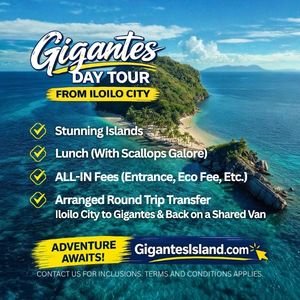
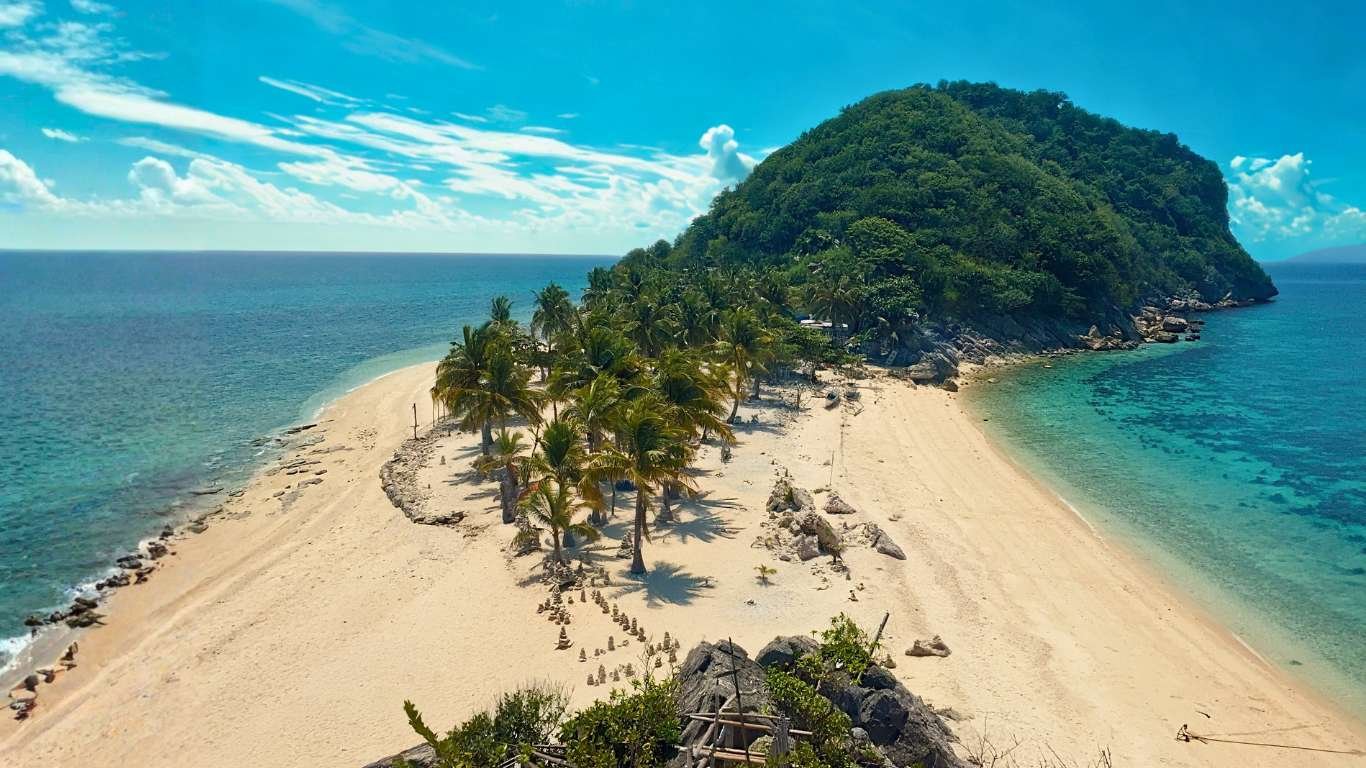
[ADS]
* Book Now, Pay Reservation Later, Balance on Your Tour Date. Terms and Conditions Apply. Subject to Availability.
Carles Iloilo sits at the northern tip of Iloilo Province, facing the Visayan Sea and serving as the principal mainland gateway to the Gigantes group of islands and Sicogon. For most travelers, the municipality is not simply a place to pass through. It is where road transport, tourism registration, boat coordination, safety clearance, and island travel come together. A well-planned visit begins with understanding Bancal Port, confirming the actual operator, and allowing enough flexibility for conditions that can change on the day of departure.
Carles includes both mainland and island communities, and its tourism experience is closely connected to fishing, boat travel, coastal livelihoods, and changing marine conditions. Travelers who arrive prepared—with written booking details, sufficient cash, drinking water, secure footwear, medicine, and waterproof storage—are better equipped to enjoy the trip without treating every advertised time or stop as guaranteed.
Why Bancal Port Is Carles’ Official One-Entry, One-Exit Gateway
Under Municipal Ordinance No. 2016-03, Bancal Port in Barangay Bancal is designated as the official entrance and exit point and gateway to the island destinations of the Municipality of Carles. This “One Entry, One Exit” policy centralizes tourism procedures and helps local authorities manage authorized visitor movement, boat departures, passenger information, and safety requirements.
Before proceeding to the islands, guests normally report through the Bancal Tourism Office, complete the required registration procedures, and obtain or verify the Tourism Pass used for authorized tourist entry to designated attractions. Depending on the operating arrangement, travelers may also need to confirm passenger details, settle documented fees, attend a briefing, and wait for boarding instructions and maritime clearance.
Travelers should not assume that arriving at the port automatically means the boat can leave. The tour operator, boat captain, tourism personnel, Coast Guard, or other responsible authorities may delay, shorten, redirect, or cancel a trip when wind, waves, tides, visibility, daylight, vessel conditions, or official advisories make the planned route unsafe. For more detailed port planning, review the Bancal Port registration and departure guide before your travel date.
What to Confirm Before Reporting at Bancal
- The exact reporting area and meeting point
- The name of the actual tour and boat operator
- Your reporting time, expected departure window, and pickup arrangement
- The written itinerary and possible substitute stops
- Included and excluded fees, meals, transfers, and entrance charges
- Payment schedule, cancellation terms, refund rules, and weather policy
- Luggage storage and the size of bag allowed on the boat
The official tourism-enterprise directory used in the Carles tourism guide was published as of September 1, 2025. It should be treated as a dated reference, not proof that a business remains accredited, recognized, available, or operational for a future trip. Reverify the provider’s current status before making payment. GigantesIsland.com can help coordinate transport and Gigantes Island tour options, but travelers should still review the actual operating provider and the written service terms.
Carles History: From Badiang to a Northern Iloilo Municipality
Carles was formerly known as Badiang. In 1860, Francisco Arriola petitioned the provincial government in Capiz to elevate the barrio into a pueblo. The request was initially denied because Badiang was considered not yet ready to become a separate pueblo. The petitioners later traveled to Iloilo and presented their request to Governor José María Carles y Domínguez, who approved the elevation.
In gratitude, residents requested that Badiang be renamed Carles in the governor’s honor. The municipality was inaugurated as a new pueblo on July 1, 1862, with Alejandro Buaya serving as its first gobernadorcillo. At the time, its jurisdiction included areas that later developed as Batad, Balasan, and Estancia.
The history of the Gigantes Islands also includes archaeological reports and local traditions that should be described carefully. Carles Tourism Office materials report the discovery of burial and ceremonial jars and three wooden coffins in the islands. One tourism display describes the ceremonial jars as dating to the Metal Age, around 200 BC. Local folklore connects the wooden coffins and the island name with stories of unusually tall people or “giants.” These stories are part of local tradition and should not be presented as established archaeological proof that giants lived in the area.
Road and Sea Distances, Port Procedures, and Realistic Travel Timing
The distance to Carles is only one part of the journey. Traffic, road conditions, pickup locations, stopovers, weather, passenger coordination, registration, boat loading, and maritime clearance can all affect the total schedule. The following official approximate distances are useful for planning, but they are not guaranteed travel times.
| Route | Approximate Distance | Practical Planning Note |
|---|---|---|
| Iloilo City to Carles | 146–147 km by road | Allow a generous schedule, especially for predawn pickups, multiple passengers, traffic, and rest stops. |
| Roxas City to Carles | About 70 km by road | The road distance is shorter, but public transport and final connections to Bancal may still require coordination. |
| Bancal Port to Langub Port, Gigantes Norte | About 18 km by sea | Travel depends on the vessel, waves, wind, loading, routing, and clearance on the day. |
A sunny morning in Iloilo City or inland Carles does not guarantee calm conditions across the full marine route. Sea travel should be reconfirmed on the morning of departure because conditions at Bancal, around Gigantes, or along exposed crossings may differ from what travelers see on land. Likewise, a generally favorable seasonal forecast does not override the captain’s judgment or official maritime restrictions.
Visitors coming from Iloilo City should be prepared for a long day when combining the road transfer and island hopping. Those who prefer a less demanding schedule may stay overnight on the mainland before the tour. Travelers continuing toward Sicogon Island should confirm the correct landing point, transfer arrangement, access conditions, and whether Sicogon is part of a wider combined route rather than a standard Gigantes itinerary.
Allow Time for More Than the Drive
A realistic schedule includes loading luggage, collecting passengers, road stops, port registration, passenger checks, waiting for the boat, safety instructions, the sea crossing, time between attractions, lunch, changing clothes, and the return journey. Avoid scheduling an evening flight, fixed ferry, important appointment, or nonrefundable transfer immediately after the tour. A delayed return does not necessarily mean the trip was poorly managed; it may reflect responsible safety decisions or conditions outside the operator’s control.
Fishing Communities, Fresh Seafood, and Responsible Coastal Tourism
Carles faces the Visayan Sea and has long depended on fishing as a major source of livelihood. Fresh seafood is therefore a natural part of the visitor experience, whether lunch is served during island hopping or travelers eat at a mainland establishment. Meals may include locally available fish, shellfish, squid, scallops, rice, vegetables, and simple Filipino dishes, depending on the package and the day’s supply.
Travelers with seafood allergies, religious dietary requirements, vegetarian preferences, or medical restrictions should communicate them during booking—not only when lunch is being prepared. Shared tours often serve group meals, and last-minute substitutions can be difficult at remote stops. Ask whether drinking water is included, where the meal will be served, and whether the provider can safely prevent cross-contact for serious allergies.
Responsible coastal tourism also means respecting working communities. Do not block fishing boats, ropes, pathways, or loading areas. Ask permission before photographing residents, homes, children, or active fishing work. Buy legally sourced food and locally made products, but refuse coral, shells, wildlife products, or natural materials collected from beaches and marine areas.
Municipal rules prohibit the collection, extraction, or removal of sand, pebbles, rocks, shells, coral, plants, wildlife, and other natural resources. Leave every beach, lagoon, cave, sandbar, and island as you found it. Guests joining Gigantes Island hopping should carry reusable containers when practical, secure loose packaging aboard the boat, and bring all waste back to an appropriate disposal point.
Health, Medicine, Clothing, and Luggage for Island Travel
Basic services are available on mainland Carles, but specialized medical care, a wider choice of pharmacies, and more extensive diagnostic facilities are easier to access in larger cities. Travelers who use prescription medicine should bring enough for the planned trip plus a reserve for possible weather delays. Essential medication should remain in a small waterproof bag that stays with the traveler rather than in luggage stored elsewhere.
Anyone with limited mobility, a medical condition, pregnancy, severe motion sickness, or concerns about heat exposure should disclose relevant needs before booking. Boat boarding may involve narrow steps, wet surfaces, beach landings, shallow-water transfers, or uneven shores. Some attractions also require climbing, walking under strong sun, or moving over slippery rock.
Dress for open-boat exposure rather than an ordinary city transfer. Quick-drying clothes, a secured hat, sun protection, and strapped sandals or water shoes are more practical than heavy clothing and loose slippers. Keep phones, identification, cash, and documents inside waterproof pouches. A light long-sleeved layer can help during extended sun and wind exposure.
Large hard-shell luggage is difficult to handle on smaller vessels and takes up limited passenger space. When possible, store suitcases at a mainland accommodation or approved luggage area and take only a small day bag on the boat. Separate medicine, dry clothing, electronics, and travel documents into individual waterproof pouches so one wet compartment does not affect everything.
Pre-Departure Checklist for Carles Iloilo
- Transport: Confirm the pickup point, vehicle, driver or dispatch contact, reporting time, and return arrangement.
- Tour documents: Save the itinerary, payment record, meeting-point details, provider name, and cancellation policy offline.
- Provider verification: Recheck current accreditation, authorization, and operating status before paying.
- Cash: Carry sufficient Philippine pesos in smaller denominations because cards, transfers, ATMs, and mobile signal may be limited.
- Medicine: Bring personal prescriptions, motion-sickness needs, basic first aid, and a reserve for possible delays.
- Water and food: Carry drinking water and confirm breakfast, lunch, dietary requests, and allergy arrangements.
- Clothing: Wear quick-drying clothes, secure footwear, and sun protection; pack a dry change of clothes.
- Waterproofing: Protect identification, phones, cash, medicine, and booking records from spray and wet landings.
- Luggage: Leave large suitcases on the mainland when possible and use a manageable day bag aboard the boat.
- Weather: Reconfirm the trip close to departure and accept that the captain or authorities may modify the route for safety.
- Schedule buffer: Do not place a fixed flight, ferry, or major appointment immediately after the expected return.
Book a Well-Planned Gigantes Island Trip From Carles
Carles Iloilo is the essential starting point for travelers who want to explore Gigantes and selected Sicogon routes through the municipality’s authorized tourism system. Careful preparation makes the experience smoother: verify the actual provider, complete the Bancal procedures, pack for wet and sunny conditions, and keep the itinerary flexible when the sea requires a change.
Reserve your trip through GigantesIsland.com/book, or review the Gigantes Island frequently asked questions for additional planning guidance before departure.
