
Tinagong Bay-Bay Guide: Dakong Bay-Bay Beach, Access, and Tidal Conditions
Plan your Tinagong Baybay visit with guidance on its official local name, tidal access, wet landings, swimming limits, crowding, and beach safety.

[ADS]
* Book Now, Pay Reservation Later, Balance on Your Tour Date. Terms and Conditions Apply. Subject to Availability.
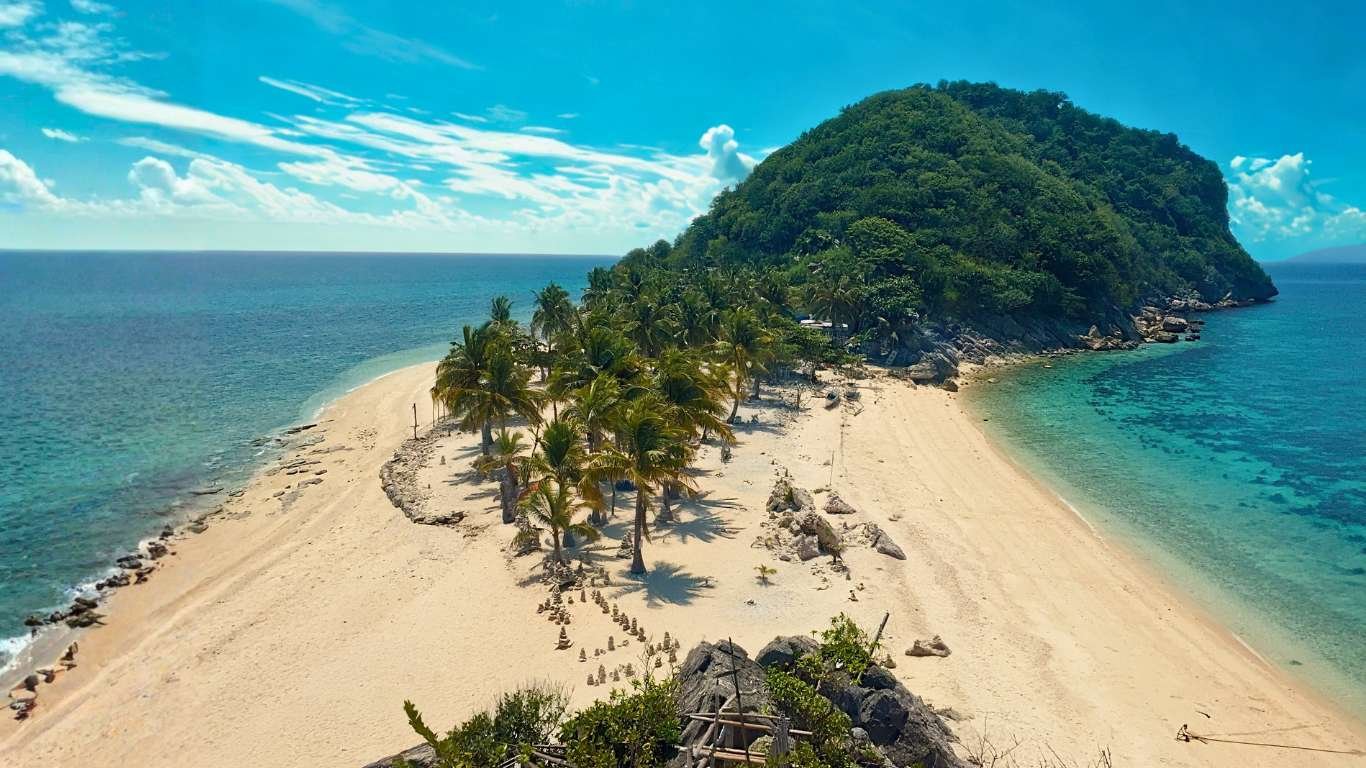
Tinagong Baybay is commonly used online for the destination officially identified in Carles Tourism materials as Tinagong Bay-Bay (Dakong Bay-Bay). The attraction is described as a small stretch of fine white-sand beach within the wider Gigantes destination area.
The term is sometimes translated or paraphrased as “hidden beach,” which helps explain how travelers may encounter it in tour advertisements. However, the official local label should be retained when comparing routes and confirming a booking. Travelers should ask whether Tinagong Bay-Bay and Dakong Bay-Bay in an itinerary refer to the same planned stop.
This is generally a short scenic, swimming, or photography stop rather than a full-day serviced beach destination. Its accessibility depends on the tide, wave direction, weather, boat position, crowding, and condition of the landing area. A proposed itinerary does not guarantee that passengers will be able to go ashore on every departure.
Using the Official Local Name While Explaining “Hidden Beach”
The preferred destination label is Tinagong Bay-Bay (Dakong Bay-Bay). Tour sellers, travelers, and online posts may shorten the name to Tinagong Baybay, Dakong Baybay, or Hidden Beach.
Using several versions without explanation can create the impression that they are separate attractions. A clear tour itinerary should show the official name and, where useful, place the familiar English description beside it.
| Name or Description | How Travelers Should Understand It |
|---|---|
| Tinagong Bay-Bay | The principal local name used in the official tourism destination list |
| Dakong Bay-Bay | The accompanying local name shown in parentheses in official tourism materials |
| Tinagong Baybay | A simplified online spelling commonly used in searches and advertisements |
| Hidden Beach | A descriptive English paraphrase, not the preferred official destination label |
Before paying, ask the operator whether the stop involves an actual landing, a brief swimming period, a scenic pass-by, or an alternative destination used only when conditions permit.
Tour A, Tour B, private tours, and other package labels are not standardized official routes. The Gigantes Island tour guide explains why travelers should confirm the complete attraction list instead of relying only on a package name.
What the Beach Experience Is Like
Carles Tourism materials describe Tinagong Bay-Bay as a small stretch of fine white sand. The limited beach area is part of its appeal, but it also means that available walking, swimming, and photography space can change significantly during the day.
The beach may appear wider and more open under favorable tidal conditions. At another time, rising water, waves, or several visiting groups may reduce the usable shoreline. Promotional photographs usually capture a specific combination of tide, sunlight, weather, camera angle, and low crowd levels.
Travelers should therefore treat images as examples rather than guarantees. The beach may look different because of:
- Higher or lower tide
- Recent rain
- Wave direction
- Cloud cover and sunlight
- Seasonal sand movement
- Boat positioning
- Visitor crowding
A shorter visit does not necessarily indicate a poor tour. The captain may be preserving enough time for safe boat travel, later stops, and the return journey.
Why Access Changes With Tides and Waves
Tide affects the amount of exposed sand, water depth near the beach, and the position from which a boat can safely unload passengers. Wave direction can make one side of the shoreline calmer while another section becomes unsuitable.
| Condition | Possible Effect on the Visit |
|---|---|
| Lower tide | More sand may be exposed, but rocks or uneven surfaces may also become visible. |
| Rising tide | The beach can become narrower and the return path may change. |
| Higher tide | Landing space may be reduced or unavailable. |
| Strong waves | The captain may delay, shorten, replace, or cancel the stop. |
| Crosswind | Boat positioning and passenger transfers may become more difficult. |
Even when water directly beside the beach looks calm, conditions farther from shore may involve current, swell, or boat traffic. The captain evaluates the entire approach and departure route, not only the appearance of the shallow water.
Visitors should accept a pass-by or replacement stop when landing would be unsafe. A private boat does not guarantee access during unsuitable conditions.
Weather and Day-of-Tour Decisions
Generally favorable seasonal weather does not guarantee that Tinagong Bay-Bay will be accessible on a particular date. Local thunderstorms, strong wind, poor visibility, or a maritime advisory can affect the route even during drier months.
The captain, authorized guide, tourism personnel, and relevant maritime authorities may decide to:
- Proceed with the planned landing
- Wait for another vessel to leave
- Approach from a different direction
- Limit the length of the stop
- Provide a scenic viewing pass
- Substitute another safe attraction
- Cancel the landing
The final safe route is determined on the travel date. Travelers should not pressure the crew to approach a crowded or rough shoreline solely because the destination appeared in an advertisement.
Broader guidance on captain-controlled routes, weather changes, and boat safety is available in the Gigantes Island hopping guide.
Limited Shade and No Dependable Visitor Services
Tinagong Bay-Bay should be treated as a small natural beach rather than a full-service resort. Dependable toilets, food vendors, changing rooms, secure storage, freshwater, shaded seating, and mobile signal should not be assumed.
Even a brief visit can involve strong heat and reflected glare from the pale sand and water. A breeze may make the temperature feel comfortable while visitors continue to experience substantial sun exposure.
Bring These Core Items
- Drinking water
- Secure sun protection
- Personal medicine
- Waterproof phone and cash storage
- A towel
- A dry change of clothes
- Secure footwear
Loose hats, wrappers, tissues, and bottle caps can be carried into the sea by wind. Secure all lightweight belongings and return every item to the boat.
Travelers who need a toilet should use a confirmed facility before boarding or at another scheduled stop. Do not rely on Tinagong Bay-Bay for personal washing or changing facilities.
Shallow-Water Landings and Uneven Shores
Depending on water depth and the captain’s chosen position, passengers may need to step into shallow water before reaching the beach. The landing surface may consist of wet sand, small rocks, shells, or uneven ground hidden below the water.
Remain seated until the crew gives instructions. The boat may shift as passengers stand, move toward the exit, or transfer weight from one side to the other.
Safer Landing Practices
- Keep both hands available.
- Accept assistance from the crew.
- Step only where instructed.
- Do not jump from the boat.
- Wait until the passenger ahead has cleared the landing zone.
- Keep children directly beside a responsible adult.
- Move away from the boat before opening bags or taking photographs.
Travelers with knee, balance, mobility, pregnancy, or other health concerns should describe their needs before departure. The operator can explain the likely transfer method, although the exact conditions may change when the boat arrives.
Dry Bags and Waterproof Valuables
Phones, cameras, identification, cash, medicine, and electronic equipment should remain inside waterproof protection during the transfer. Holding a phone above the water does not provide dependable protection if the traveler slips or the boat moves unexpectedly.
Waterproofing Tips
- Close the dry bag before approaching the boat exit.
- Use a waterproof phone pouch with a secure strap.
- Keep spare batteries in individual protective cases.
- Separate cash and identification from wet clothing.
- Leave large or unnecessary bags securely on the boat when advised.
Saltwater can damage charging ports, lenses, batteries, and memory-card compartments. A device marketed as water-resistant may still fail after saltwater exposure or impact.
Large tripods and loose photography equipment can obstruct the landing area. Bring only equipment that can be carried securely without reducing your balance.
Why Secure Footwear Matters
Water shoes or strapped sandals provide better control than loose slippers during shallow-water landings and walking on wet sand.
| Footwear Type | Suitability |
|---|---|
| Water shoes | Highly practical for wading and uneven shallow-water surfaces |
| Strapped sandals | Suitable when they fit securely and provide dependable grip |
| Loose slippers | Less suitable because they may slide, detach, or float away |
| Bare feet | Not recommended without guide approval because shells, stones, or sharp debris may be present |
Walk slowly and watch the guide’s chosen path. Do not deliberately step on seagrass, coral, shells containing living organisms, or visible marine life.
Swimming Boundaries and Open-Water Conditions
Swimming should remain within the area approved by the guide and boat crew. Calm-looking water beside the beach does not rule out current, deeper channels, rocks, or vessel movement farther from shore.
Possible Swimming Hazards
- Changing depth
- Current around the shoreline
- Rocky or coral areas
- Boat approach routes
- Operating engines and propellers
- Waves from passing vessels
Non-swimmers should keep a properly fitted life jacket on near the water. Children require correctly sized flotation equipment and continuous adult supervision.
Do not swim behind the boat, cross a vessel channel, or move around a rocky point without the guide’s approval. Return immediately when the crew gives the boarding signal.
Crowding and Limited Beach Space
The small beach can become congested when several boats arrive close together. Crowding reduces usable space for passengers, narrows boat approaches, and increases the risk of people blocking landing areas.
The captain may wait offshore, shorten the stop, postpone the landing, or continue to another destination. These decisions help reduce unsafe boat movement and excessive pressure on the small shoreline.
Responsible Behavior During a Crowded Stop
- Keep the landing and boarding area clear.
- Follow the guide’s time limit.
- Avoid extended private photo sessions.
- Do not place tripods or bags across narrow pathways.
- Remain with the assigned group.
- Board promptly when instructed.
A short, orderly visit can provide a better experience than forcing several groups onto the beach at once.
Scenic Stop, Swimming Stop, or Pass-By
Travelers should confirm exactly how Tinagong Bay-Bay is represented in the package.
| Tour Description | What It Should Mean |
|---|---|
| Beach landing | Passengers are expected to disembark when conditions permit. |
| Short scenic stop | A limited landing for photographs or a brief walk. |
| Swimming stop | Swimming is planned within a crew-approved area. |
| Alternative stop | The beach may replace another attraction according to conditions. |
| Pass-by | The boat approaches or views the destination without landing. |
A pass-by should not be marketed as a full beach visit. Ask how much landing time is planned and whether the stop can be replaced without affecting the stated package price.
The Gigantes Island destinations guide explains how route clusters and boat-travel time affect the number of places that can realistically be visited.
Protecting the Beach and Coastal Environment
Tinagong Bay-Bay’s appeal depends on preserving its fine sand, shoreline, vegetation, rocks, and surrounding marine environment.
Municipal Ordinance No. 2019-03, Section 84 prohibits the collection, extraction, or use of sand, pebbles, rocks, shells, and other natural resources of Carles.
Visitors Must Not Remove or Disturb
- Sand
- Shells
- Stones and pebbles
- Coral fragments
- Plants
- Wildlife
- Marine organisms
- Other natural materials
Do not relocate shells, starfish, coral, or marine animals for photographs. A shell that appears empty may still provide habitat, while coral fragments remain part of the natural coastal system.
Carry bottles, food packaging, tissues, cigarette waste, and all other rubbish back to the boat. Do not bury waste in the sand or leave it beneath plants or rocks.
Respecting Nearby Communities and Working Boats
Some coastal attractions are close to fishing areas, community pathways, or working boat routes. Visitors should keep clear of nets, ropes, anchors, engines, and loading zones.
Do not enter private areas or use community facilities without permission. Ask before photographing local residents, children, fishers, or workers.
Tourism should not interfere with boat operations or residents’ daily activities. Follow the captain, guide, tourism personnel, and local representatives even when their instructions shorten the planned visit.
Tinagong Baybay Visitor Checklist
- Use Tinagong Bay-Bay (Dakong Bay-Bay) as the preferred official label.
- Treat “Hidden Beach” as supporting context rather than the official name.
- Confirm whether the stop is a landing, swim, alternative, or pass-by.
- Expect beach width and appearance to change with the tide.
- Bring drinking water and secure sun protection.
- Do not assume toilets, food, shade, storage, or mobile signal are available.
- Prepare for a shallow-water or uneven landing.
- Use a dry bag and waterproof phone pouch.
- Wear water shoes or strapped sandals.
- Swim only inside the crew-approved boundary.
- Keep children close and use properly fitted life jackets.
- Keep clear of moving boats, engines, and approach channels.
- Follow time limits when the beach is crowded.
- Carry all waste back to the boat.
- Do not remove sand, shells, coral, rocks, plants, or wildlife.
- Accept shortened or cancelled access when conditions are unsafe.
Prepare the complete route, transfers, packing, cash, health, and weather arrangements through the Gigantes Island travel guide.
Book your Gigantes Island hopping experience at GigantesIsland.com/book, or visit GigantesIsland.com/frequently-asked-questions to learn more.
